26 November, 2026
Thursday
FINTECH
FINTECH
- Home
- FINTECH
FINTECH
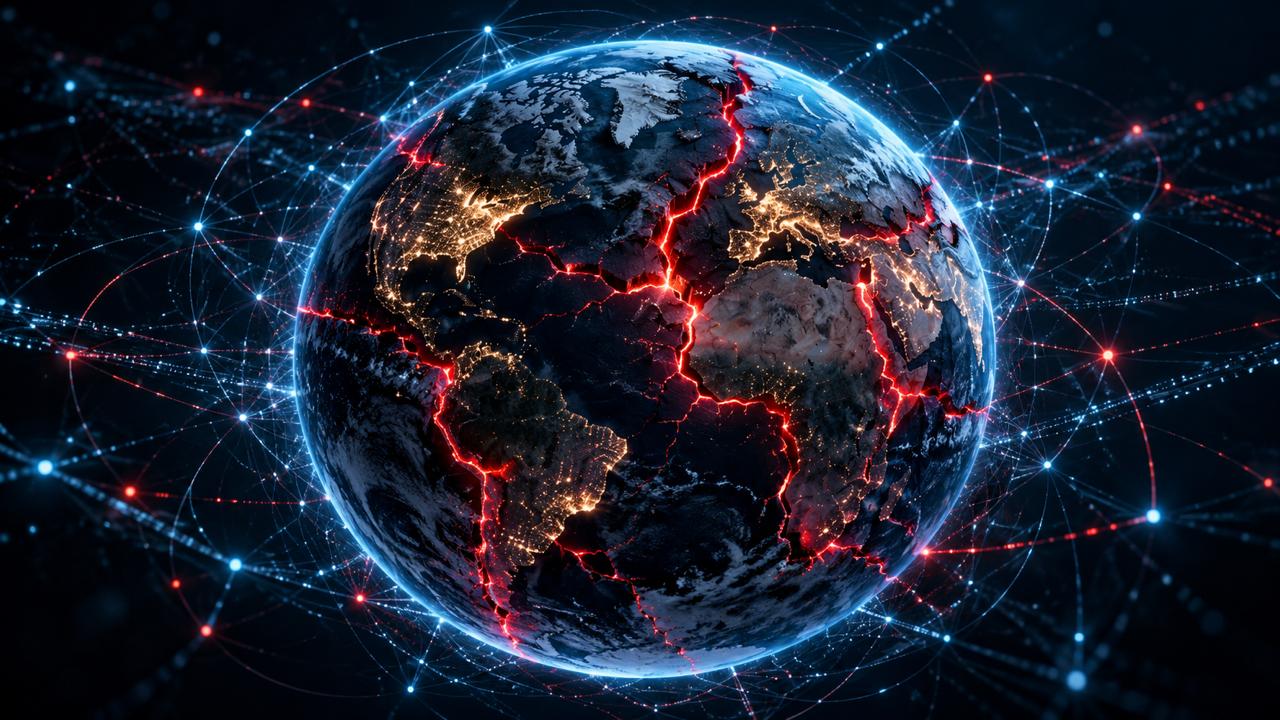
The Internet Just Had a Very Bad Week
-

- By Paul Knight
- 26 Oct 2026
The internet has had a very bad week. Critical PHP vulnerabilities, serious Node.js security flaws and compromised SSL certificates have exposed weaknesses in the technology we rely on every day. What went wrong, how is artificial intelligence helping uncover these threats, and should we be worried about the security of the internet?
FINTECH
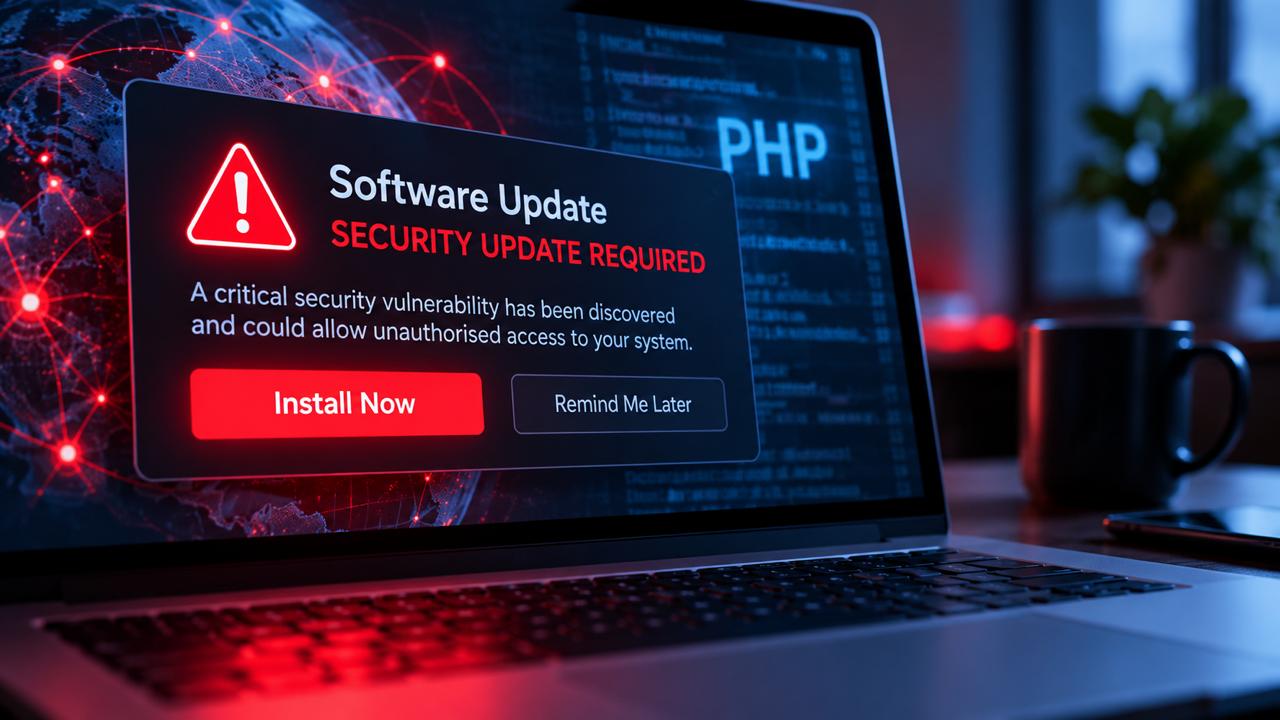
The Security Warning That Sent Governments Scrambling to Shut Down Websites
-
- By Paul Knight
- 22 Oct 2026
A critical security warning has prompted governments to take websites offline after serious vulnerabilities were discovered in PHP, the technology powering millions of websites. With artificial intelligence helping uncover the flaws, the incident raises important questions about internet security and the risks facing website owners. Here's what happened, why it matters and seven steps you can take to protect your website.
FINTECH
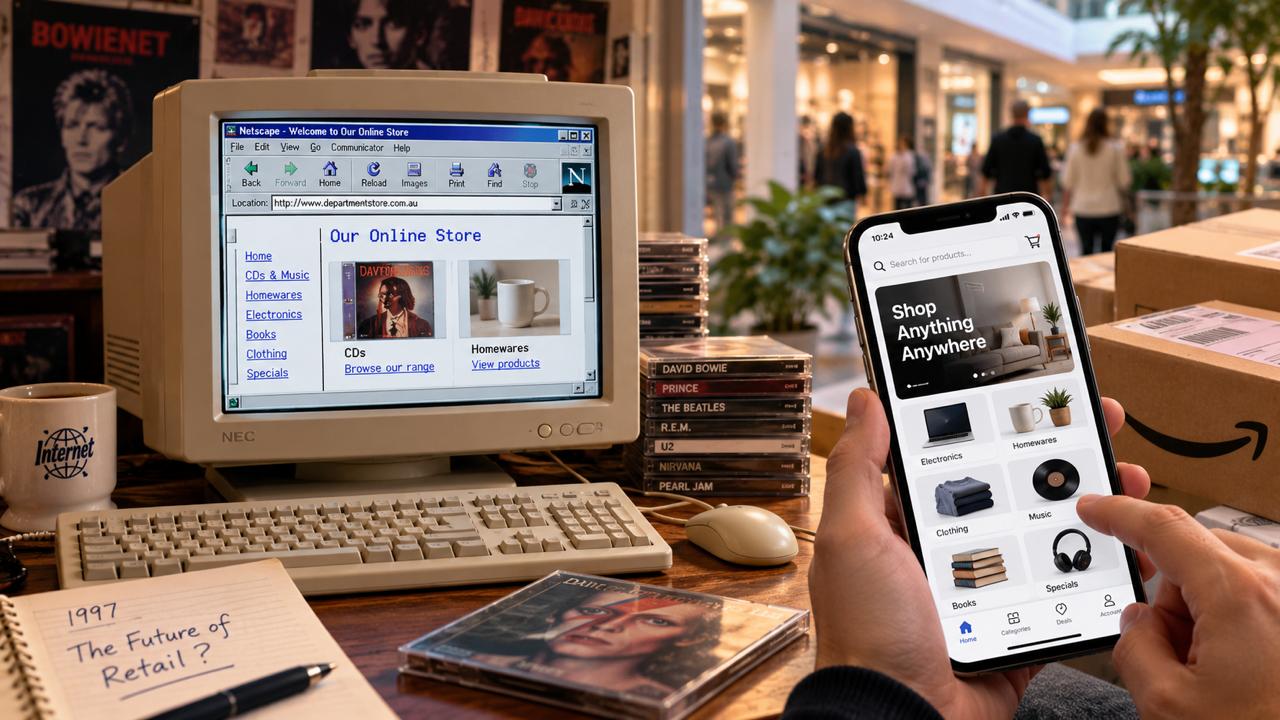
I Predicted the Future of Retailing
-
- By Paul Knight
- 15 Oct 2026
In 1997, at just 20 years old, I predicted that the internet would transform retail shopping. Senior management wasn't convinced. Nearly 30 years later, online shopping has changed everything, but as physical stores disappear and record shops make a comeback, I find myself missing the shopping experience I once imagined replacing.
FINTECH
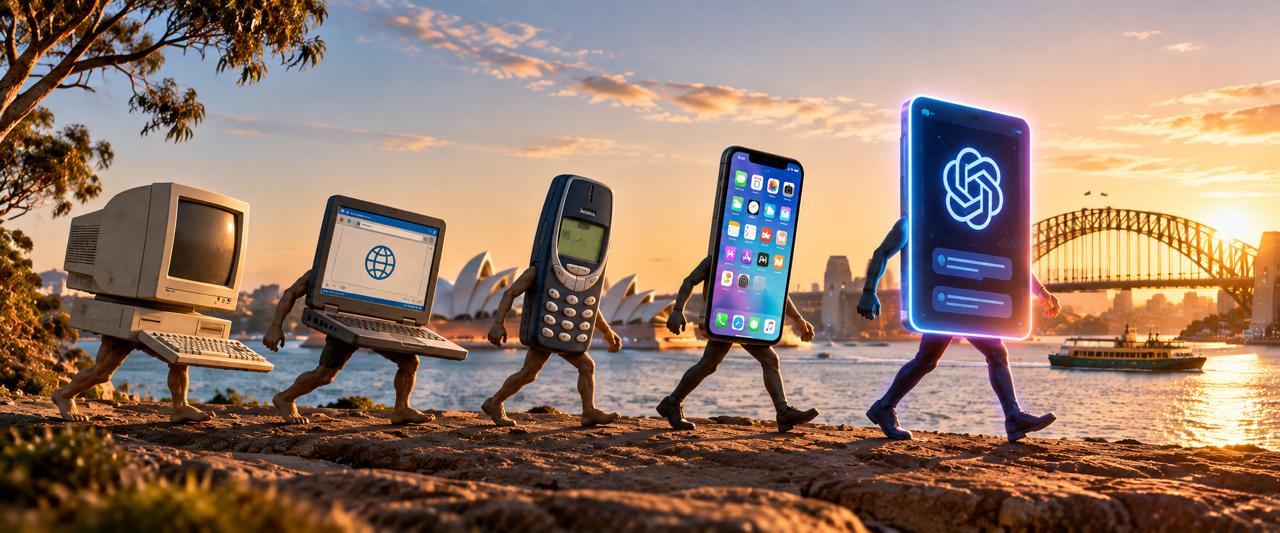
AI Is Here. Keep Up or Risk Being Left Behind.
-
- By Paul Knight
- 02 Oct 2026
From personal computers and the internet to smartphones and now AI, we’ve seen this pattern before. New technology is easy to dismiss until the world starts moving without you. The lesson? You don’t have to be first, but it’s much easier to keep up than it is to catch up.
FINTECH
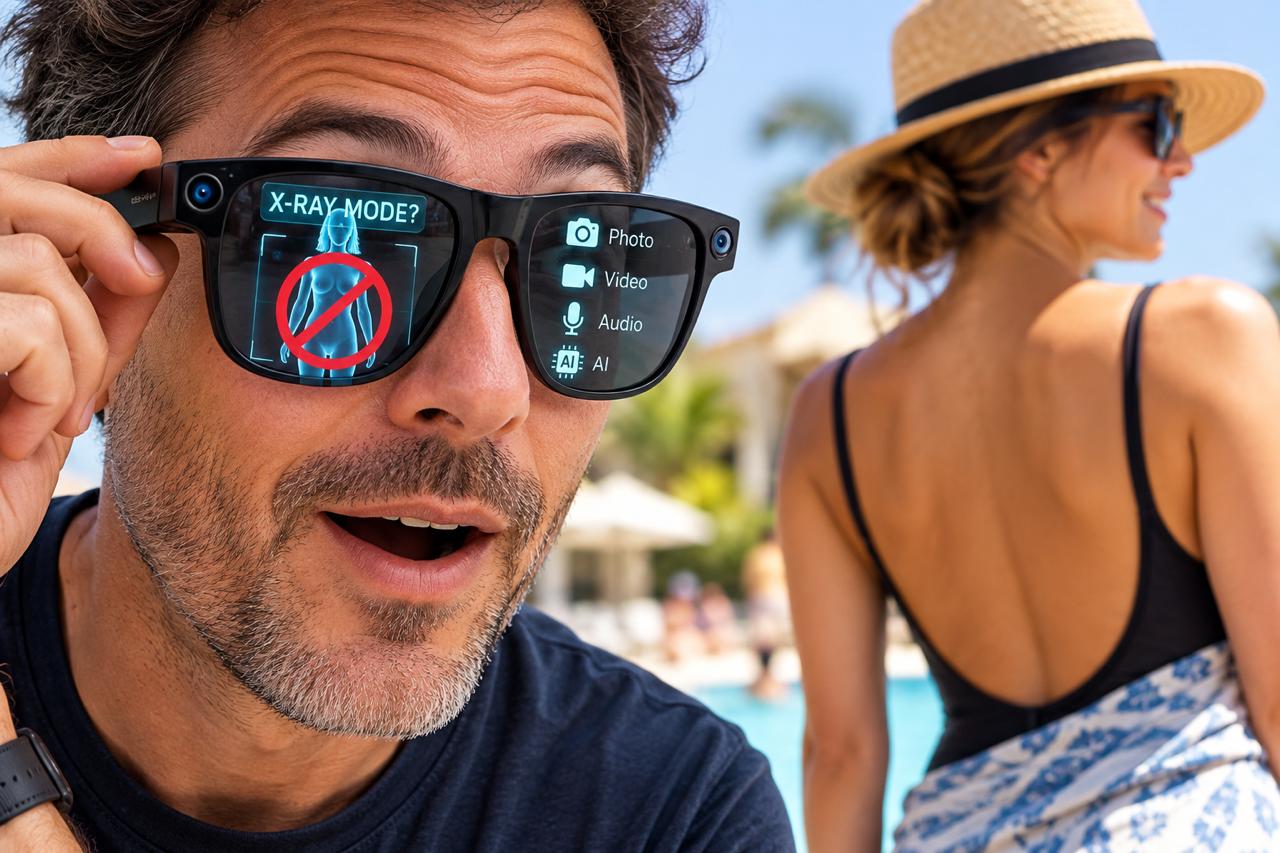
Can Smart Glasses Really See You Naked? And Should You Be Worried?
-
- By Paul Knight
- 30 Sep 2026
Smart glasses can take photos, record conversations, use AI and even analyse what you’re looking at. But can they really see you naked? We separate the myths from reality and look at the growing privacy concerns surrounding a technology that’s starting to look just like an ordinary pair of glasses.
FINTECH
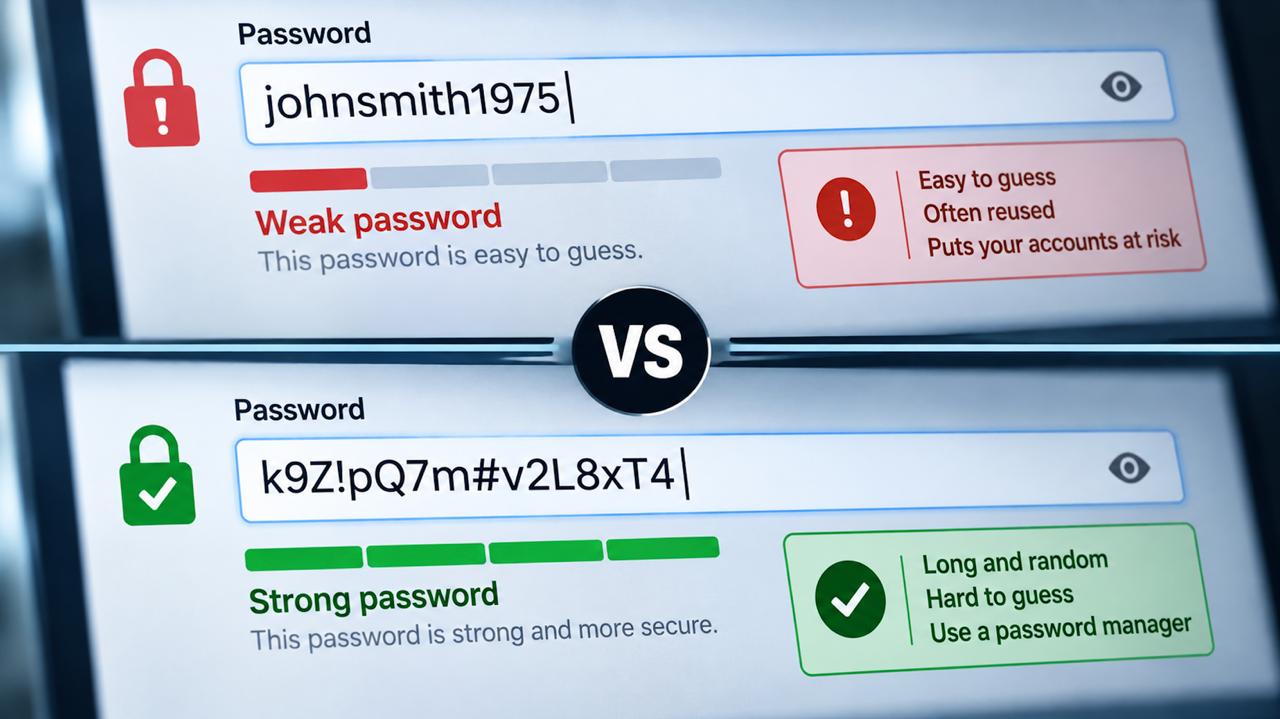
The Most Dangerous Password You Have Might Be on a Website You Don't Care About
-
- By Paul Knight
- 22 Sep 2026
Reusing the same password across multiple websites can turn one small data breach into a much bigger security problem. This article explores why unique passwords matter, how password managers can protect your digital life, and the simple steps everyone should take to keep their online accounts secure.
FINTECH
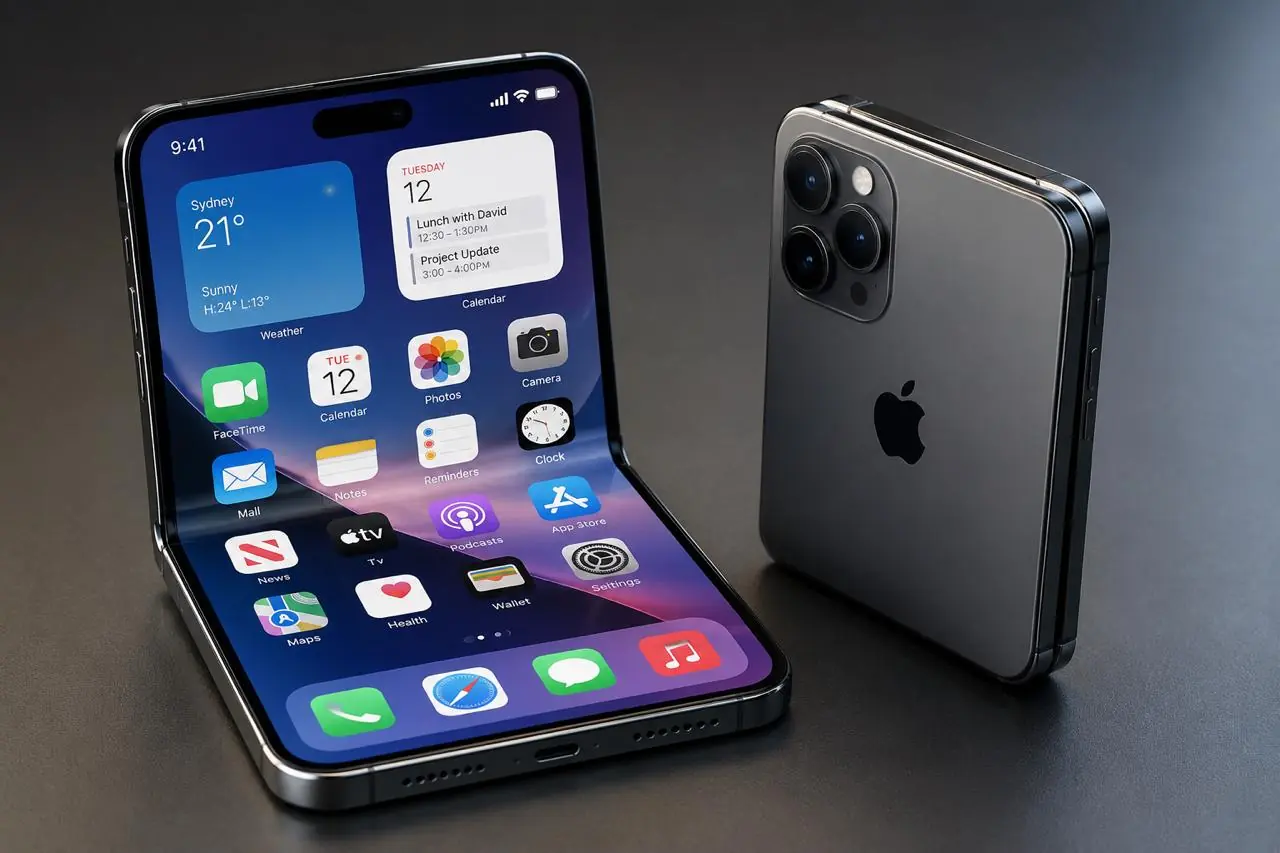
Has the Smartphone Become Boring?
-
- By Paul Knight
- 17 Aug 2026
After nearly twenty years of smartphones, annual upgrades have become increasingly predictable. With Apple reportedly preparing its first foldable iPhone, this article asks whether a new form factor can make smartphones exciting again, or whether becoming boring is simply a sign of how successful and mature the technology has become.
FINTECH
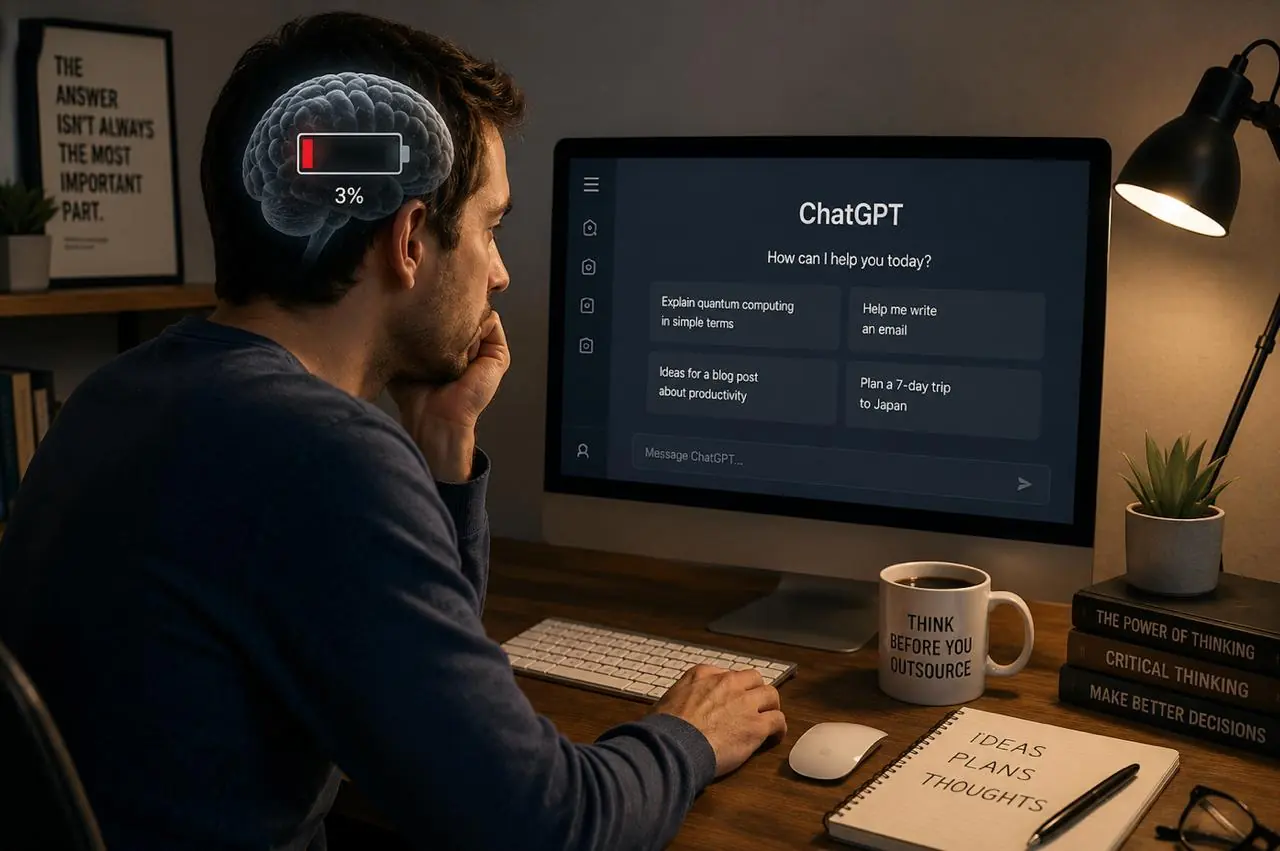
AI Should Help Us Think, Not Think for Us
-
- By Paul Knight
- 13 Aug 2026
A hilarious comedy sketch about two people relying on AI to have a simple conversation raises a much more serious question. As artificial intelligence becomes part of everyday life, are we using it to help us think, or are we slowly allowing it to think for us?
FINTECH

The World's Richest Gold Mine Might Already Be in Your Home
-
- By Paul Knight
- 22 Jul 2026
What if the world's next gold mine isn't underground, but sitting in a forgotten drawer at home? This article explores the hidden value of electronic waste through a personal experience that changed the way I think about obsolete technology.
FINTECH
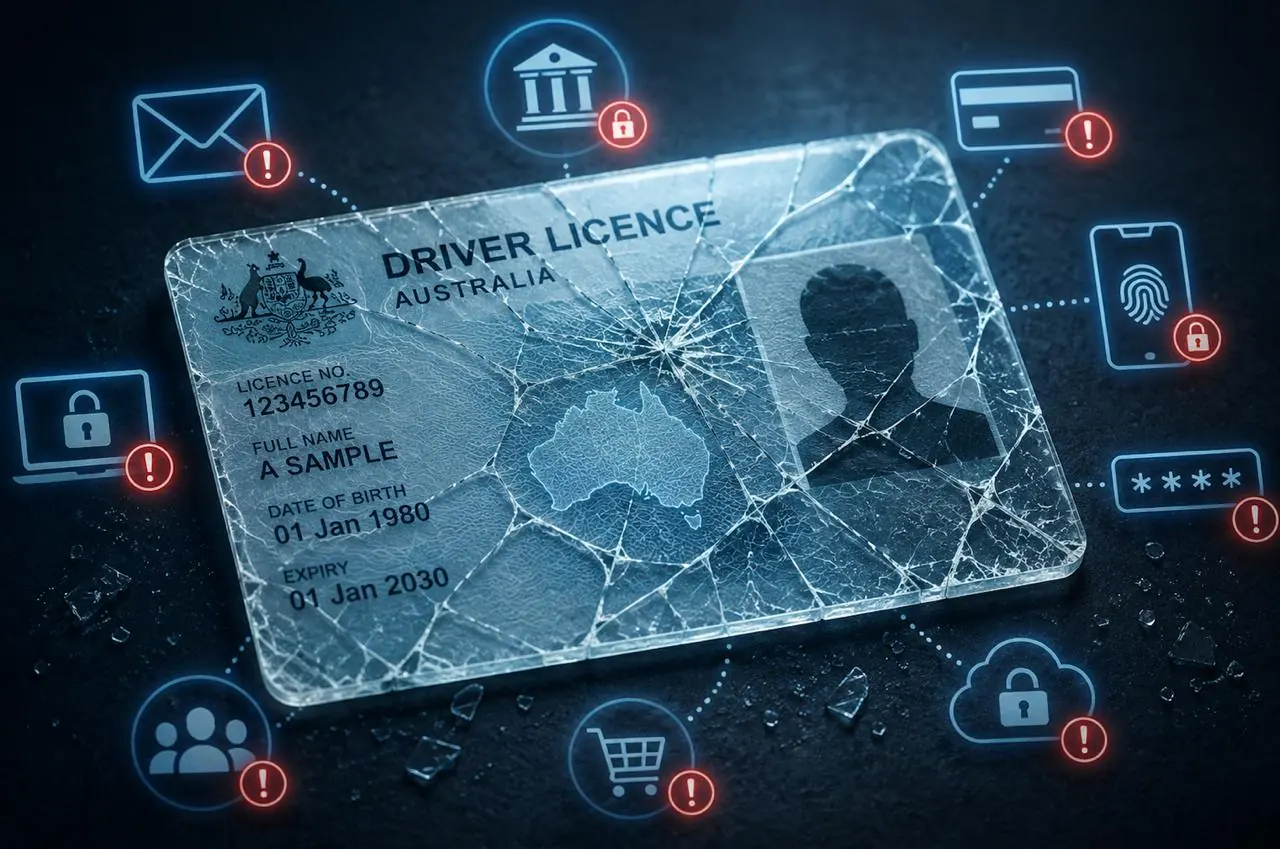
Is Your Personal Information Ever Really Safe?
-
- By Paul Knight
- 22 Jul 2026
Data breaches have become an unfortunate reality of modern life, affecting organisations of every size and industry. While we can't always prevent them, we can take practical steps to better protect our digital identity and reduce the risk of becoming a victim of identity theft.