07 Oct 2026
12 October, 2026
Monday
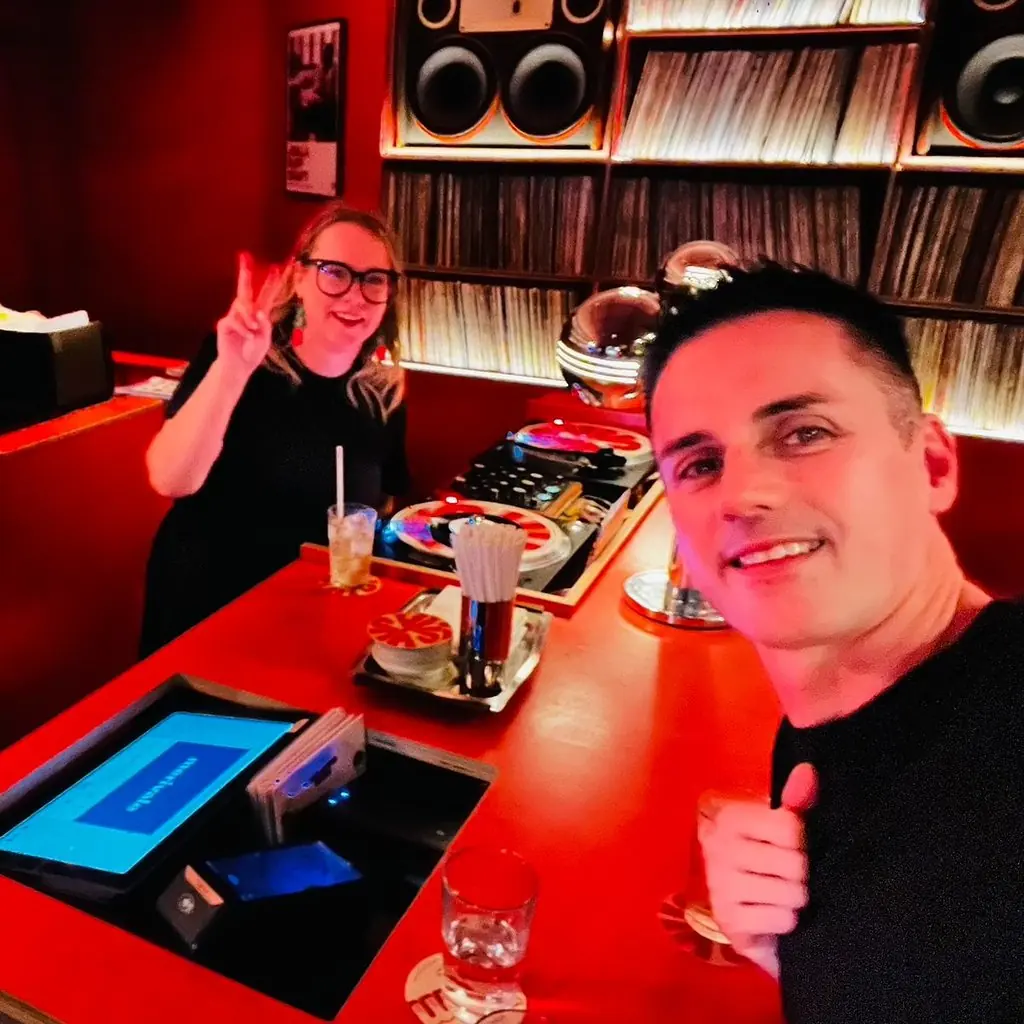
There was a time when going out to enjoy music almost always meant one thing.
A nightclub.
A live band.
Or a crowded dance floor.
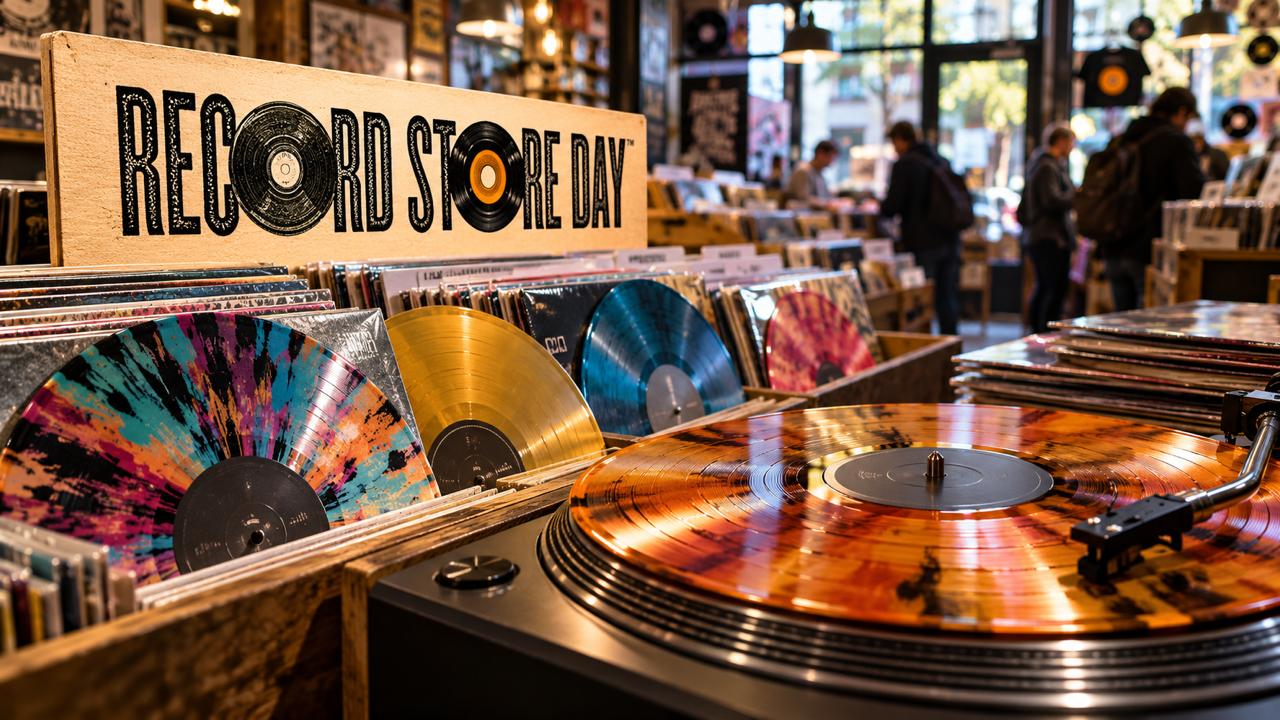
Today, a different kind of music venue is quietly gaining popularity around the world.
Vinyl listening bars.
They're places where music isn't simply background noise. It's the reason people come. There are no expectations to dance, no pressure to be seen and no endless playlists generated by algorithms. Instead, people gather to enjoy carefully selected records played through high-quality sound systems while sharing a drink and good conversation.
It's a simple idea.
Yet it feels surprisingly refreshing.
One of the things I enjoy most about vinyl listening bars is that everyone experiences the music in their own way.
Some people sit quietly with a cocktail, completely immersed in the music.
Others chat with friends between tracks.
Some close their eyes and simply listen.
Others watch the DJ at work.
There are no expectations.
No pressure to dance.
No pressure to perform.
You simply enjoy the music in whatever way feels right.
Unlike a nightclub, where loud music often makes conversation almost impossible, vinyl listening bars encourage people to connect. You can sit with friends over a cocktail, share stories about favourite artists, recommend albums and meet people who appreciate the same music you do. The music becomes part of the conversation rather than competing with it.
I found myself chatting with people I'd never met before, simply because a familiar song started playing or someone recognised an album sitting beside the turntable. Music became the common language.
That makes these venues appealing to a remarkably broad audience.
Each venue has its own style, music selection and atmosphere, yet all three celebrate the same idea—that listening to music should be an experience rather than simply background noise.
The DJ is never hidden behind a laptop.
They're standing behind turntables.
You watch them flick through record sleeves.
Choose the next album.
Carefully remove the record from its cover.
Place it on the platter.
Lower the stylus.
Cue the next track.
It's almost theatrical.
The process reminds you that music once required intention.
The DJ isn't simply pressing play.
They're performing.
Watching that process becomes just as enjoyable as listening to the music itself.
As someone who grew up with much of the music being played, I found myself reconnecting with songs I'd heard countless times before. But hearing them on vinyl, in a room full of people who appreciated them just as much, was a completely different experience. It wasn't simply about nostalgia—it was about sharing music in the way it was once intended to be enjoyed.
People often talk about the sound of vinyl.
Some describe it as warmer.
Others say it's richer or more natural.
Whether that's technically true is almost beside the point.
What matters is the experience.
There is something incredibly satisfying about watching a record begin to spin, hearing the faint crackle before the music starts and knowing that what you're hearing is exactly the record the DJ has chosen for that moment.
It's music with intention.
I don't believe the popularity of vinyl listening bars is simply about nostalgia.
It's about connection.
Streaming gave us access to almost every song ever recorded.
That's an incredible achievement.
But it also changed the way we listen.
Albums became playlists.
Songs became individual tracks.
Music became something we consumed while doing something else.
Then social media accelerated that change even further.
Platforms like TikTok introduced an entirely new generation to music through thirty-second clips.
Songs became hooks.
Choruses.
Viral moments.
Attention spans became shorter.
Somewhere along the way, we stopped taking the journey that artists intended us to take.
The greatest albums ever made weren't designed to be broken into pieces.
They were carefully constructed from beginning to end.
Every song has its place.
Every transition has a purpose.
The opening track introduces the story.
The closing track finishes it.
When we skip around or only hear the songs that become popular online, we're only experiencing a fraction of what the artist created.
We admire it as one complete masterpiece.
Albums deserve the same respect.
They are complete works of art, painted with music instead of paint.
Perhaps that's one of the reasons vinyl listening bars are flourishing. They encourage us to slow down, put our phones away and allow an album to unfold exactly as the artist intended.
One of the things that surprised me most was the diversity of people enjoying these venues.
There were younger people discovering vinyl for the first time.
There were people who had grown up buying records.
And there were many who recognised the soundtrack of their youth.
As our population continues to age, something interesting is happening.
The teenagers who grew up during the 1980s and 1990s are now rediscovering the music that shaped their lives.
I grew up with much of that music too.
Hearing those records played on vinyl isn't simply nostalgic.
It reminds me why those songs became classics in the first place.
What's equally encouraging is seeing younger generations embracing them with the same enthusiasm.
Great music has never really had an expiry date.
After visiting these venues, I came away thinking less about vinyl and more about people.
Music has always had the ability to bring strangers together.
A familiar song sparks a conversation.
A favourite artist creates an instant connection.
People smile at each other.
Share stories.
Recommend albums.
Discuss concerts they attended decades ago.
Introduce younger listeners to artists they may never have discovered otherwise.
Unlike many traditional nightlife venues, the music doesn't isolate people—it connects them. It creates an environment where conversation feels natural, friendships begin over shared musical tastes and the evening becomes just as much about the people as it is about the records.
For a few hours, complete strangers become part of the same experience.
In an increasingly digital world, that feels surprisingly rare.
Perhaps that's the real success of vinyl listening bars.
They've reminded us that music isn't simply something we consume.
It's something we experience together.
As technology continues to reshape the way we discover and consume music, perhaps it's no surprise that people are looking for something more meaningful.
Vinyl listening bars remind us that music was never meant to be rushed.
It was meant to be shared.
Not every night out needs a dance floor.
Sometimes all we need is a comfortable chair, a well-made cocktail, a room full of fellow music lovers and someone passionate enough to place a record on a turntable and let it play from beginning to end.
They create an environment where conversation flows naturally, friendships are formed, generations connect through shared musical memories and everyone can enjoy the evening in their own way.
Perhaps that's why these venues are becoming so popular.
They're not taking us backwards.
They're reminding us of something we should never have forgotten.
Music is at its most powerful not only when we truly listen—but when we experience it together.
Picture credit: featuring @dj_captain_k at Jamm Bar.