07 Oct 2026
12 October, 2026
Monday
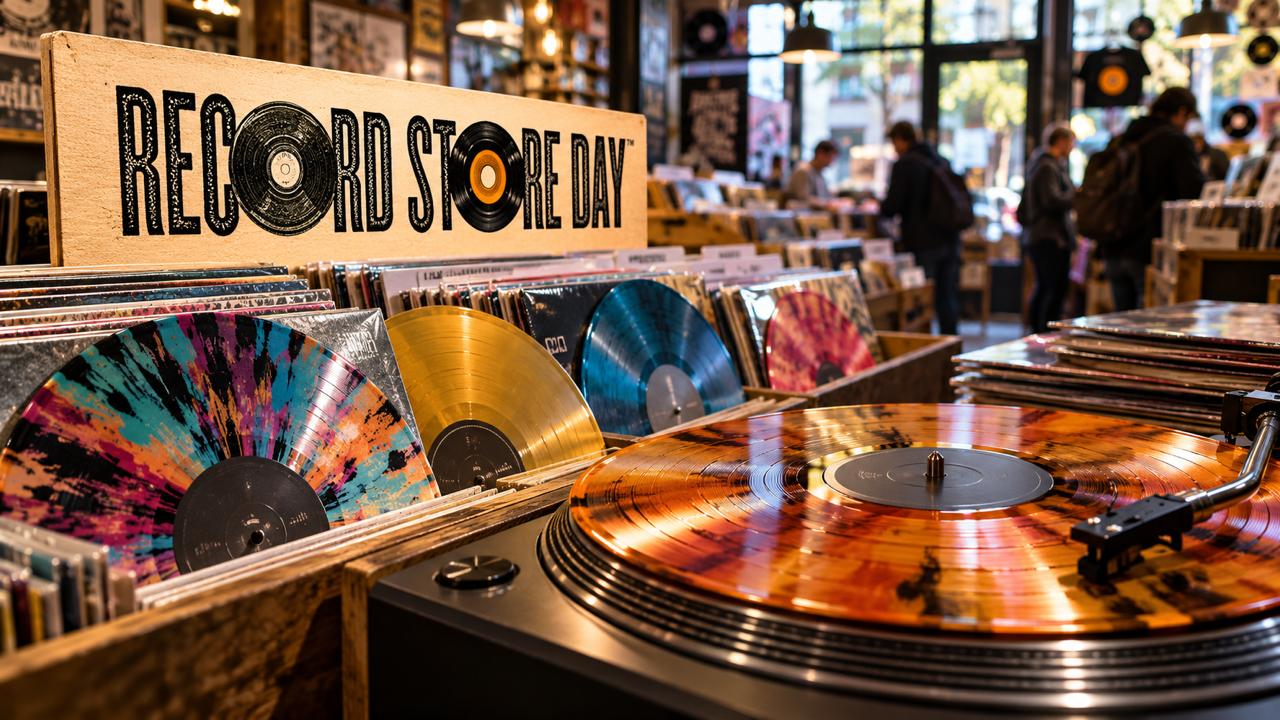
For years, we've been told that physical media is dead. CDs have largely disappeared from our cars, DVDs have been replaced by streaming services, and almost every song ever recorded is available instantly from a smartphone.
So why are vinyl records experiencing one of the biggest comebacks in music history?
The answer isn't nostalgia alone. It's about ownership, experience and a deeper connection to music.
The vinyl revival is no longer a passing trend. Global vinyl sales have now grown for 19 consecutive years, with another impressive increase in revenue during 2025. While streaming dominates the way most people listen to music, vinyl has carved out a unique position as a premium product that music lovers genuinely value.
In the United States alone, vinyl generated more than US$1 billion in revenue during 2025, comfortably outperforming CDs once again. Millions of new records continue to be pressed each year, and demand often exceeds manufacturing capacity.
That is remarkable considering many people predicted the complete death of vinyl only a few decades ago.
The interesting thing is that most vinyl buyers also subscribe to streaming services.
People aren't replacing Spotify or Apple Music — they're complementing them.
Streaming is about convenience. Vinyl is about the experience.
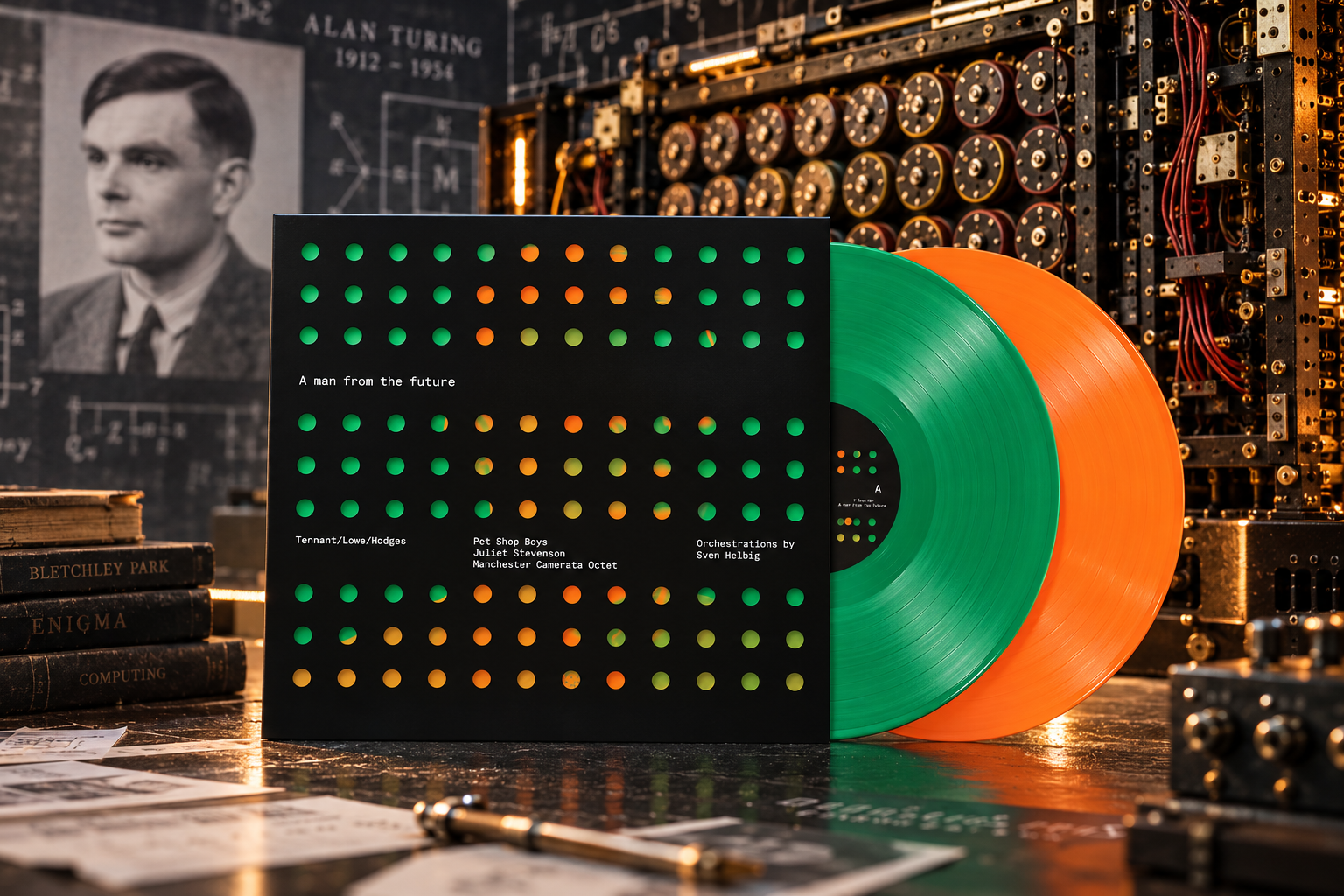
Opening a beautifully designed gatefold sleeve, admiring the artwork, placing the record on the turntable and sitting down to listen to an album from beginning to end creates an experience that simply can't be replicated by pressing shuffle on a playlist.
Listening to vinyl encourages us to slow down. It reminds us that albums were often designed to be enjoyed as complete works rather than individual songs.
One of the biggest losses in the digital era has been album artwork. Artists and designers once spent enormous amounts of time creating covers that became iconic pieces of popular culture. The 12-inch vinyl sleeve transformed music into something that could be displayed, collected and appreciated visually.
From Pink Floyd's Dark Side of the Moon to Prince's Purple Rain, Madonna's Like a Prayer and Fleetwood Mac's Rumours, the artwork became just as recognisable as the music itself. Streaming services simply can't recreate that feeling.
Vinyl has also become highly collectible. Limited editions, coloured vinyl, anniversary reissues and numbered pressings have created an active collectors' market that continues to grow every year.
Some records increase significantly in value over time, but for many collectors the reward isn't financial — it's the enjoyment of building a personal music library that reflects their tastes and memories. Owning music feels different to renting access through a subscription service.
I don't believe vinyl will ever replace streaming, nor should it. Streaming is one of the greatest technological achievements for music fans, giving us access to almost every recording ever made instantly and at an affordable price.
But vinyl offers something streaming never will: permanence. You truly own it. You can display it, share it, pass it on to your children and enjoy it decades from now regardless of which streaming platform happens to dominate the market.
As someone who has always loved music, I find the resurgence of vinyl incredibly encouraging.
In a world where almost everything has become digital and disposable, vinyl reminds us that music is more than background noise. It's something worth collecting, preserving and experiencing exactly as the artist intended.
Perhaps that's the real reason vinyl continues to thrive — not because it's the newest technology, but because it delivers an experience that modern technology simply cannot replace.