07 Oct 2026
12 October, 2026
Monday
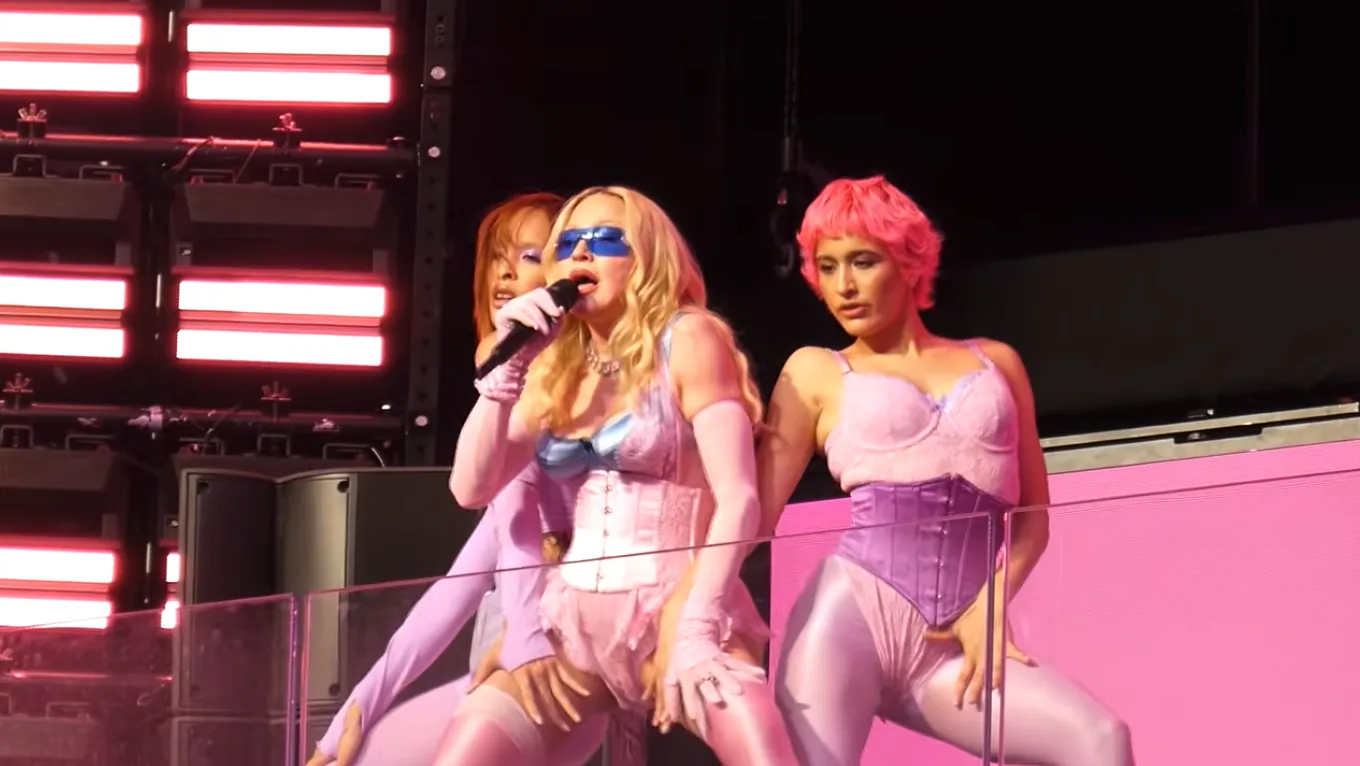
There are album releases, and then there are Madonna album releases.
For most artists, releasing a new album means a few interviews, some social media posts and perhaps a performance or two.
For Madonna, it means turning the release into a global event.
As a long-time Madonna fan, I've been fascinated watching the rollout of Confessions II unfold. Not only because of the music itself, but because the entire campaign feels like a masterclass in understanding your audience and dominating the conversation.
From a surprise performance in Times Square to one of the most unexpected marketing partnerships I've ever seen, Madonna has once again proven that nobody understands spectacle quite like she does.
And honestly, I'm loving every minute of it.
One of the most exciting aspects of Confessions II isn't just the return to the dancefloor.
It's the return of Stuart Price.
For many Madonna fans, Stuart Price was a huge part of what made Confessions on a Dance Floor such a special album. His production helped create a record that felt cohesive, euphoric and completely committed to the dancefloor from beginning to end.
The original Confessions wasn't simply a collection of songs.
It felt like a journey.
The album flowed seamlessly from track to track, blending disco, electronic and dance influences into one of the strongest records in Madonna's catalogue.
Even twenty years later, it remains a favourite among fans and is often considered one of the defining dance albums of the 2000s.
That's why the reunion between Madonna and Stuart Price is so significant.
Music has changed dramatically since 2005. Streaming has transformed how people consume music, dance music has evolved and countless artists have attempted to recreate the energy and excitement of the original Confessions era.
Yet there is something unique about the creative chemistry between Madonna and Stuart Price.
The prospect of seeing them work together again is genuinely exciting.
For me, Stuart Price's involvement is one of the strongest signals that Confessions II is more than just a nostalgic sequel.
It suggests a genuine effort to revisit the creative partnership that helped produce one of the most celebrated albums of Madonna's career.
Even before hearing the full album, it's impossible not to talk about the marketing campaign.
This is not a traditional album rollout.
It's a cultural event.
The Times Square performance alone felt like something from another era. A reminder of a time when pop stars created genuine moments rather than simply uploading content and hoping the algorithm would do the rest.
Madonna has always understood that music is about more than songs.
It's about anticipation.
It's about excitement.
It's about creating a moment that people want to be part of.
And that's exactly what this campaign has done.
Then came the announcement that nobody saw coming.
Grindr.
Of all the possible marketing partnerships in the world, Madonna somehow found the one that was both completely ridiculous and completely brilliant.
Suddenly Madonna was appearing directly within Grindr.
For many gay men, opening the app and seeing Madonna unexpectedly appear in their grid was one of the most surreal moments of the entire campaign.
And yet somehow it made perfect sense.
Madonna's relationship with the LGBTQ+ community has never been an afterthought. Throughout her career she has championed LGBTQ+ rights, embraced queer culture and built a fanbase that has supported her for decades.
So seeing her appear directly inside one of the world's most recognisable LGBTQ+ platforms felt bizarre, hilarious and strangely logical all at the same time.
I can only imagine the conversations taking place across group chats around the world.
"Is Madonna literally in my Grindr grid right now?"
The answer was apparently yes.
What makes the Grindr partnership so effective is that it doesn't feel forced.
Many celebrity brand collaborations feel artificial.
This one feels like Madonna understood exactly who she was talking to.
She wasn't trying to reach everybody.
She was speaking directly to a community that has supported her music, attended her concerts and celebrated her career for decades.
The campaign felt self-aware.
It understood the humour.
It understood the culture.
Most importantly, it understood that people would immediately start talking about it.
And that's exactly what happened.
One thing that has become increasingly clear throughout this rollout is that Madonna still understands something many artists have forgotten.
Pop music is supposed to be fun.
It's supposed to be theatrical.
It's supposed to generate excitement.
It's supposed to create conversations.
Too many modern album campaigns feel predictable and safe.
This one feels alive.
It feels chaotic.
It feels camp.
It feels unapologetically Madonna.
Whether Confessions II ultimately lives up to the original album remains to be seen.
The expectations are enormous.
But even before release day, I think Madonna has already achieved something important.
She's made people pay attention.
She's created anticipation.
She's reminded people that album releases can still feel like events.
And perhaps most importantly, she's reminded everyone that after four decades in popular culture, she is still capable of surprising people.
A Times Square performance.
A reunion with Stuart Price.
A Grindr takeover that left half the gay community laughing and screenshotting their phones.
Only Madonna could pull all of that together into a single album campaign.
And honestly, that's exactly why I'm excited for Confessions II.