
07 Oct 2026
12 October, 2026
Monday
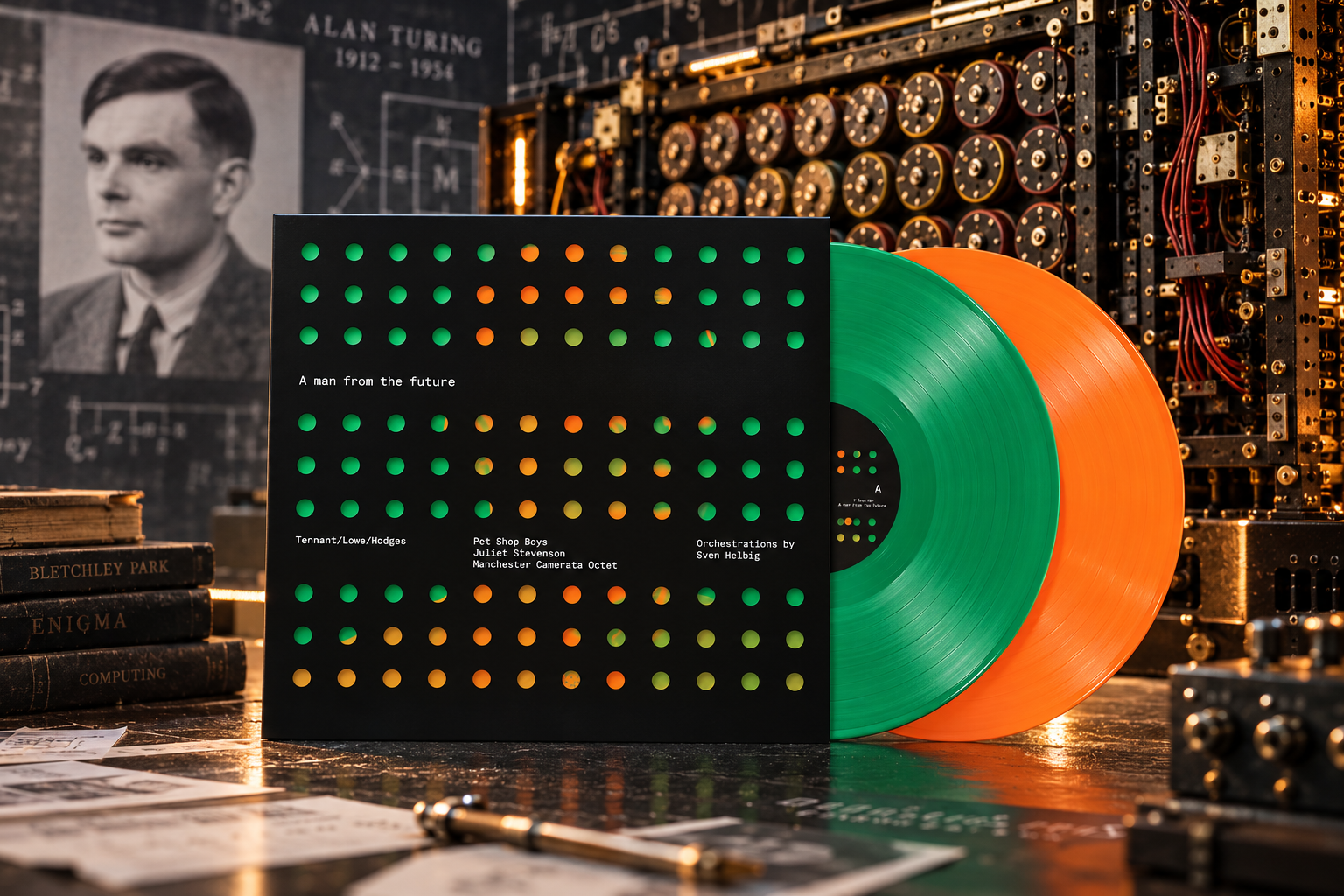
When I first heard that Pet Shop Boys were releasing an album about Alan Turing, my immediate thought was: how on earth do you turn that into an album? A musical biography of a mathematician and wartime codebreaker isn't exactly what you expect from one of Britain's most successful electronic music duos.
But from the opening moments of A Man from the Future, it's unmistakably Pet Shop Boys. The familiar synthesizer-driven sound is there, blended with Neil Tennant's smooth vocals, orchestral arrangements and narration from British actress Juliet Stevenson. The result is surprisingly beautiful. It's smooth, haunting and, perhaps unexpectedly, relaxing.
Originally presented at the BBC Proms in 2014, A Man from the Future explores the life of Alan Turing, the brilliant mathematician whose work helped break German codes during the Second World War and laid important foundations for modern computing. Now, in 2026, Pet Shop Boys have brought this remarkable musical work to an album release.
What surprised me most was how naturally the narration fits into the music. Stevenson's voice is wonderfully smooth and comforting, becoming part of the musical landscape rather than interrupting it. In some ways, it reminds me of Laurie Anderson's groundbreaking 1982 album Big Science, where spoken-word performance art and electronic music came together to create something quite extraordinary. Only this time, with a distinctly British accent.
It's not a conventional collection of pop songs, nor does it feel like somebody simply reading a biography over a soundtrack. It's something that sits between electronic music, storytelling and performance art, while remaining recognisably Pet Shop Boys.
Another interesting aspect of the album is how Pet Shop Boys use Neil Tennant's unmistakable vocal style. Anyone familiar with their music will immediately recognise his distinctive delivery, but here his voice takes on a very different role.
Rather than singing traditional verses and choruses, Neil's vocals are used sparingly throughout the compositions, often repeating the title or central theme of each movement. The storytelling itself is largely left to Juliet Stevenson, whose narration guides us through Turing's life.
Neil's vocals weave in and out of the narration, almost like a musical refrain, reinforcing the subject of each section without interrupting the story. It's a clever arrangement because it allows the album to retain that unmistakable Pet Shop Boys identity without trying to force a conventional pop-song structure onto what is essentially a narrated musical biography.
Sometimes just a few repeated words, delivered in that familiar voice, are enough. His vocals become another layer in the composition, working alongside the synthesizers, strings and narration rather than dominating them.
One of the things I have always loved about music is the idea of an album being a complete work of art. Not simply a collection of songs, but a journey that takes you somewhere, with each piece contributing to a much bigger picture.
A Man from the Future captures that beautifully.
This isn't an album where I'd select a favourite track and drop it into a Spotify playlist. In fact, I think doing that would miss much of what makes it special. The music, narration and vocals are woven together to create a continuous experience, with each section contributing to the story and atmosphere.
It's a musical canvas that deserves to be appreciated as a whole.
And perhaps that's one of the most refreshing things about this release. At a time when music is increasingly consumed as individual tracks, Pet Shop Boys have delivered something that encourages us to experience an album in the way albums were once intended to be heard, from beginning to end.
One of the most fascinating aspects of A Man from the Future is how effectively the music helps tell the story. You don't need to know anything about Alan Turing before listening to this album. Through Juliet Stevenson's narration, you gradually discover who he was, what he achieved and the terrible injustice he experienced. By the time the album finishes, you've been taken through an extraordinary life.
A particularly wonderful example is He Dreamed of Machines. I love the repetitive electronic synthesizer loops that run through the composition. There's something almost mechanical about them, as though the music itself is imitating the repetitive processes of a machine. The minimalist electronic patterns build an atmosphere that feels unmistakably Pet Shop Boys, while Sven Helbig's sweeping string arrangements introduce a completely different emotional dimension.
The combination is fascinating. The electronic elements suggest precision, repetition and the mathematical world that captivated Turing, while the strings bring warmth, humanity and emotion. It's almost as though we're hearing two sides of the same person, the extraordinary scientific mind and the human being behind it.
The inclusion of the Manchester Grammar School Choir is another beautiful touch. As the story explores Turing's childhood dreams and his growing fascination with science and machines, the young voices introduce a sense of innocence and possibility. Knowing where his story eventually leads makes those moments all the more poignant.
What I particularly admire is that none of these musical elements feels unnecessary. The narration, synthesizers, strings and choir each contribute something to the story. They're not simply accompanying it. They're helping tell it.
There's also something wonderfully appropriate about Pet Shop Boys using electronic instruments and modern music technology to tell the story of a man whose pioneering work helped make the computing age possible.
What makes A Man from the Future particularly moving is the contrast between the beauty of the music and the tragedy of the story being told.
The haunting string arrangements by German composer Sven Helbig, performed by the Manchester Camerata Octet, blend beautifully with the familiar Pet Shop Boys synthesizers. Together they create an atmosphere that is simultaneously comforting, mysterious and deeply melancholic.
Beneath that beautiful musical landscape lies the story of Alan Turing, a man whose contributions to wartime codebreaking and computing helped shape the modern world. Yet despite those achievements, Turing was prosecuted in 1952 for homosexual acts following a police investigation into his relationship with another man.
At a time when homosexuality was criminalised in Britain, he was forced to choose between imprisonment and hormonal treatment. He underwent the treatment and suffered its effects. Just two years later, in 1954, Turing was dead, aged only 41.
There's something particularly haunting about hearing this story told through such beautiful music. The gentle narration and sweeping strings don't diminish the darkness of what happened to Turing. If anything, they make it more affecting. Rather than overwhelming the listener with drama, the music allows the sadness and injustice of his story to emerge naturally.
What I find remarkable is that Pet Shop Boys have managed to create something that is both relaxing to listen to and emotionally confronting.
There's something about Alan Turing's eventual pardon that I find particularly troubling. In 2013, almost sixty years after his death, he was finally granted a posthumous royal pardon for his conviction. But what does a pardon really mean to someone who has already died?
Here was a man who had made an extraordinary contribution to his country, only to be prosecuted for his sexuality and subjected to treatment that caused him enormous suffering. Decades later, the establishment that had once condemned him was finally acknowledging the injustice.
It's difficult not to feel a sense of anger about that. A pardon might correct the historical record, but it cannot give Turing back the years he lost, undo the suffering he endured or change the circumstances of his death. The recognition came far too late for the person who deserved it most.
His pardon was followed by broader legal recognition. In 2017, provisions commonly known as Alan Turing's Law extended posthumous pardons to thousands of men convicted under historical laws criminalising consensual same-sex relationships, alongside a process for pardoning eligible living individuals whose convictions had been disregarded.
But perhaps there is something valuable in continuing to tell his story. We cannot change what happened to Alan Turing, but we can acknowledge the mistakes and injustices of the past, understand how they were allowed to happen and hopefully learn enough from them not to repeat them.
And perhaps that's another reason why this album matters. Pet Shop Boys haven't simply created a beautiful piece of electronic music. They've helped ensure that another generation hears Alan Turing's story, understands his achievements and remembers how terribly he was treated.
One of the other things that excites me about A Man from the Future is the variety of formats in which Pet Shop Boys are releasing it. Naturally, the album is available across the major streaming platforms, but for those of us who still enjoy owning music, the physical editions are particularly appealing.
The double CD edition includes a second disc featuring instrumental versions of the compositions, removing Neil Tennant's vocals and Juliet Stevenson's narration. I'm particularly interested in hearing how these pieces work without the storytelling, allowing the synthesizers and Sven Helbig's orchestral arrangements to take centre stage. Given how much I've enjoyed the musical atmosphere of the album, I suspect this will be a fascinating alternative listening experience.
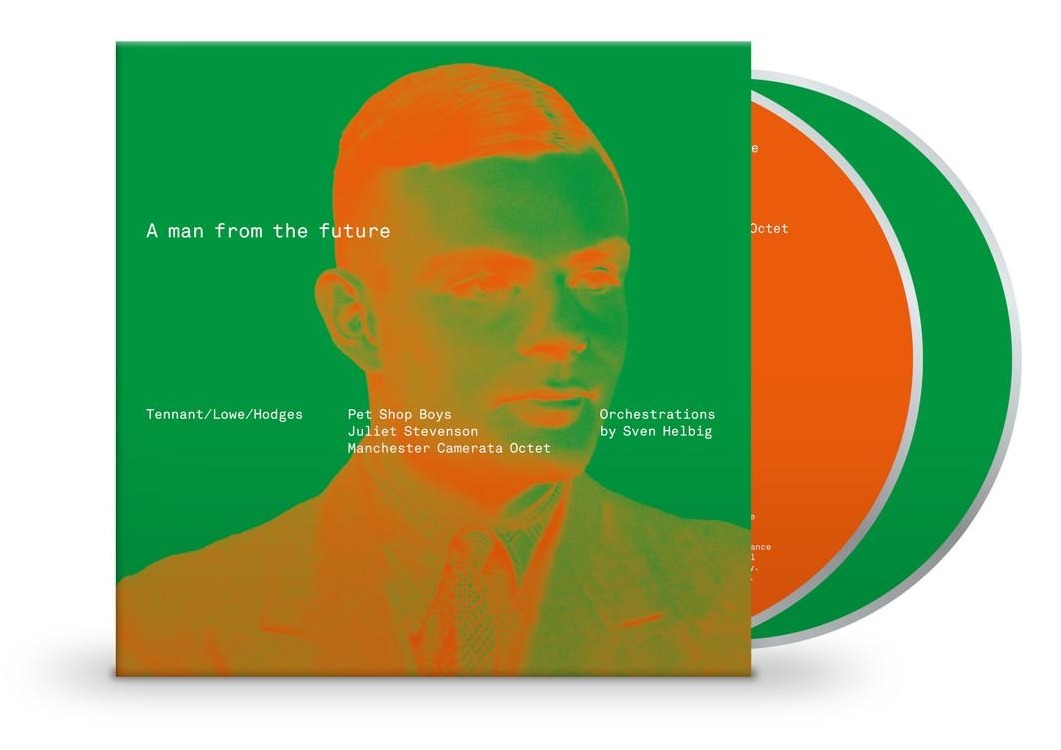
The double CD edition
Then there's the limited-edition double vinyl, presented on gorgeous orange and green records. The special artwork draws inspiration from Turing's machine, making the packaging feel like an extension of the album's subject matter. It's exactly the sort of physical release that reminds me why I still love collecting records. The presentation becomes part of the experience rather than simply something to store the music in.
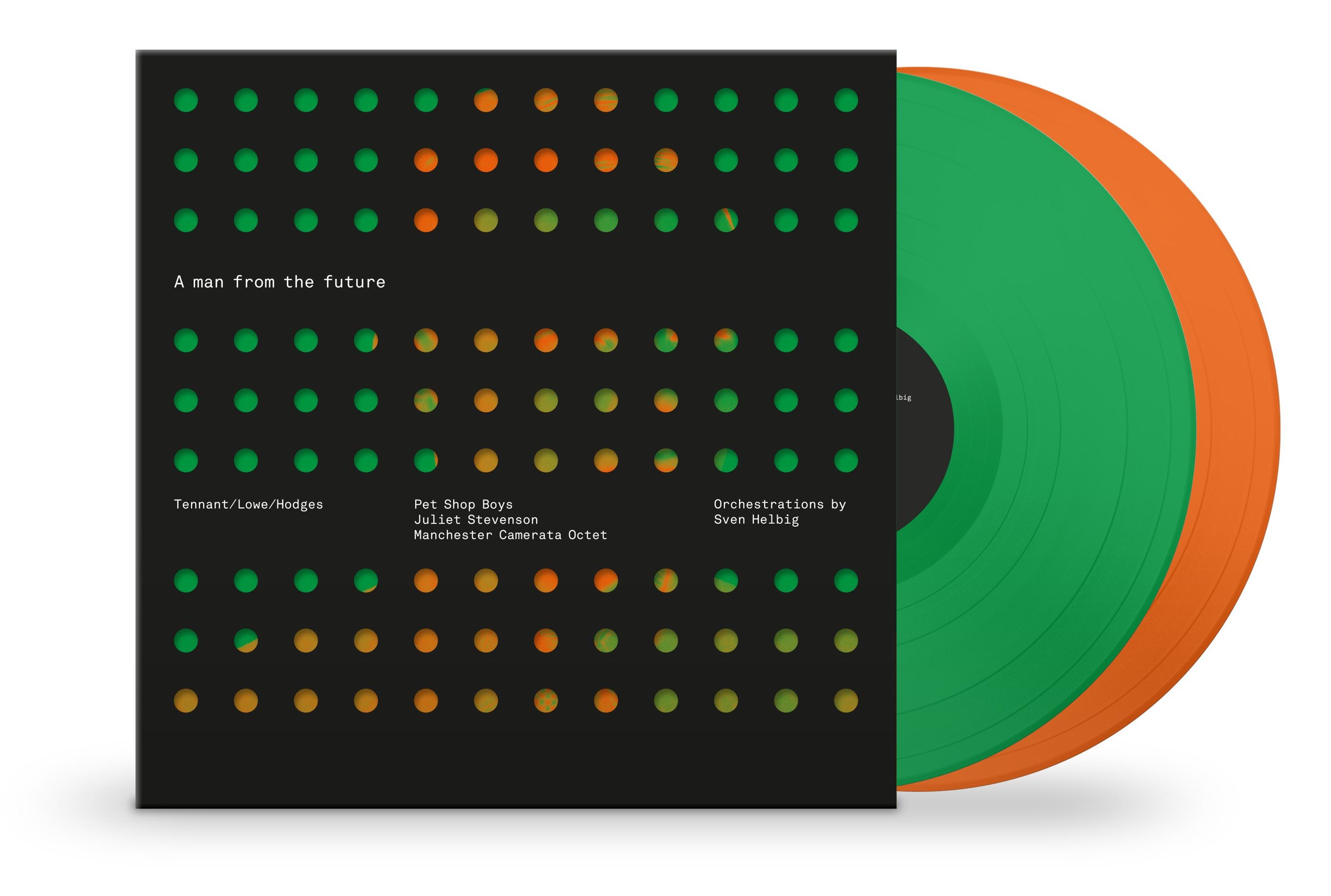
Limited-edition orange and green vinyl
But the format I'm perhaps most excited about is the high-resolution Blu-ray Audio edition. Pet Shop Boys have continued supporting this format with previous releases, including Nonetheless, the album that featured Loneliness. It's a format I particularly appreciate because it offers the opportunity to experience the music in high-resolution audio rather than relying solely on streaming.
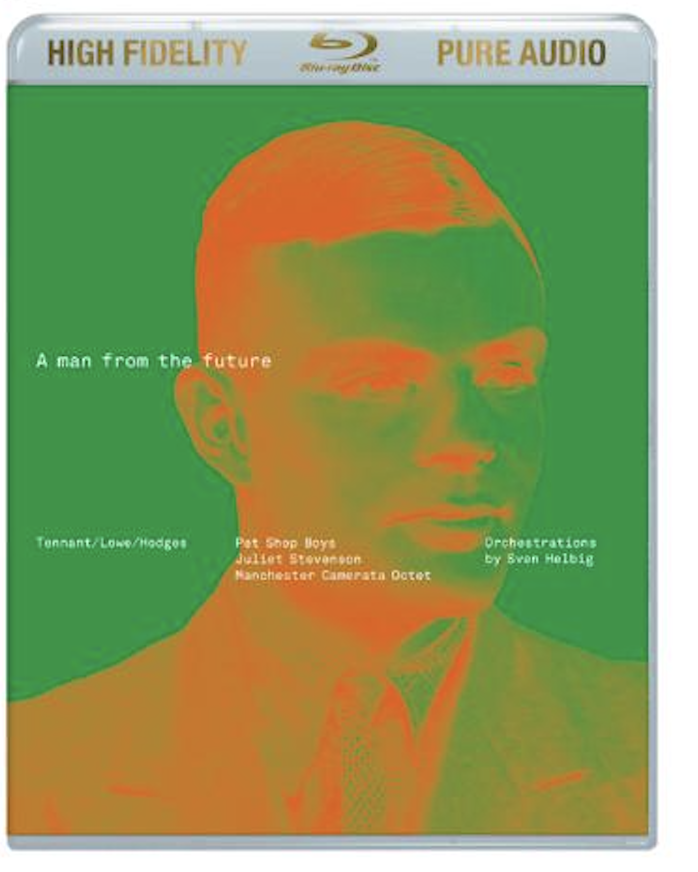
High Fidelity Pure Audio Blu-ray
With the intricate electronic loops, haunting strings, delicate narration and layered orchestral arrangements throughout A Man from the Future, this is exactly the sort of album I'm looking forward to hearing in that format. I can imagine sitting down, turning up the sound system and allowing the entire work to unfold without interruption.
I can't wait to get my hands on a copy.
And perhaps that's the most appropriate way to experience an album like this. Not selecting individual tracks or adding a favourite moment to a playlist, but sitting down and listening to the entire musical journey from beginning to end.
Ultimately, A Man from the Future is an emotional journey. There's an underlying sadness and mysteriousness running through the entire work, but rather than making it difficult to listen to, those qualities make it strangely compelling. The smooth synthesizers, haunting strings and comforting narration draw you into a musical world that feels both familiar and unlike anything Pet Shop Boys would normally release.
What I particularly enjoyed was the feeling of wanting to keep listening, not necessarily because I was waiting for a catchy chorus or a standout single, but because I wanted to discover where the music and the story would take me next. There's a sense of anticipation throughout the album, with each movement revealing another part of Turing's life.
It's also the kind of album I suspect will reveal more with repeated listening. There are musical details to discover, layers of orchestration to appreciate and moments in the narration that take on greater meaning once you know how the story unfolds.
I started listening to A Man from the Future wondering how Pet Shop Boys could possibly turn the life of a mathematician into an album. By the time it finished, I realised that they had created something far more interesting than a conventional collection of songs.
They've created a musical portrait of an extraordinary man, one that celebrates his imagination and achievements while refusing to forget the injustice of his life.
And for me, that's part of what makes a great album. It doesn't simply entertain you and disappear into the background. It invites you to return, listen more closely and experience the journey again.