07 Oct 2026
12 October, 2026
Monday
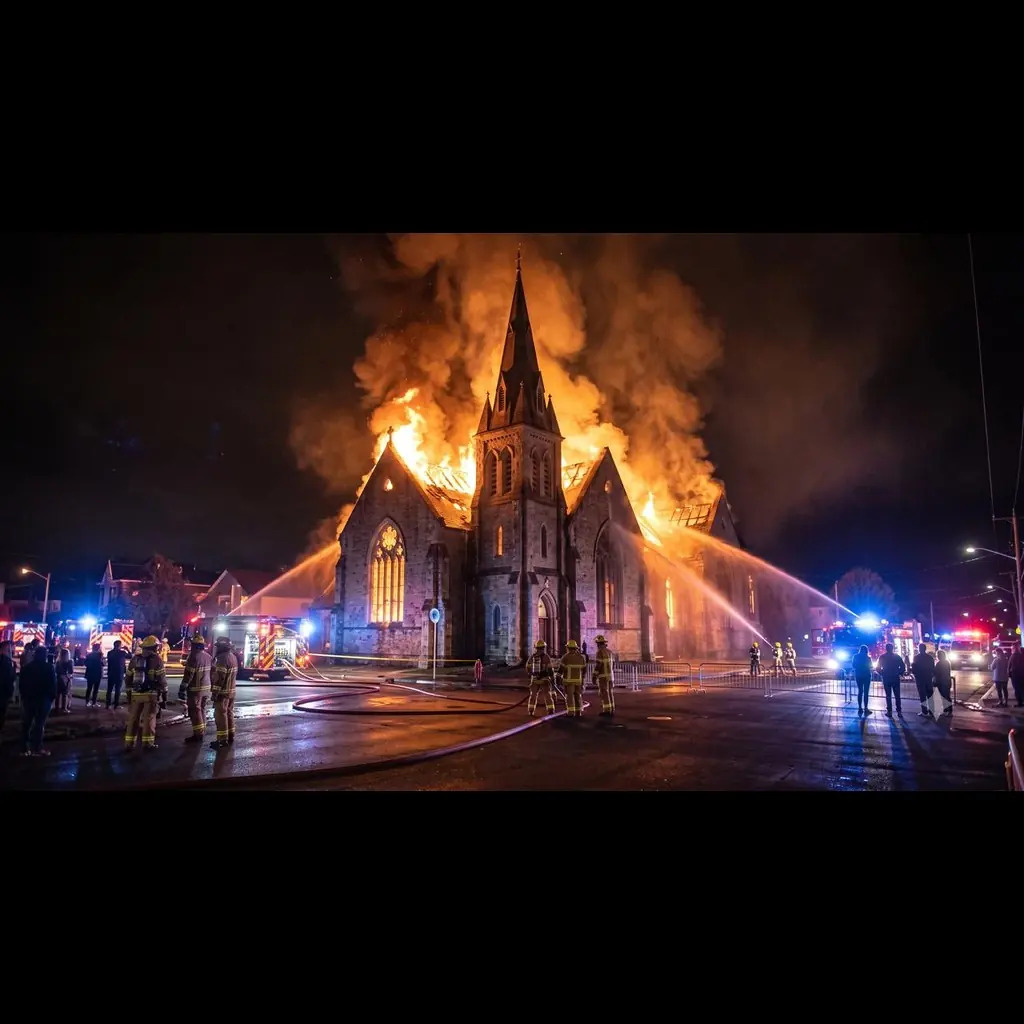
When does protecting one group's beliefs begin to restrict another group's freedom?
Sydney has found itself at the centre of a debate that reaches far beyond one venue. The closure of Divine Playhouse has sparked passionate discussion about religion, artistic expression, LGBTQIA+ inclusion and the future of Sydney's nightlife.
People are entitled to hold strong opinions. They are entitled to peacefully protest. Freedom of religion and freedom of speech are fundamental parts of a democratic society.
But there is another principle that deserves equal protection: the right of lawful businesses and communities to exist without being driven out simply because others disapprove of them.
That is why the closure of Divine Playhouse deserves closer examination.
One fact has been repeatedly overlooked throughout this debate.
The building stopped operating as a church in 1932.
For almost one hundred years it has lived an entirely different life. It has housed theatre companies, artistic performances and community events. The Genesian Theatre Company alone called it home for decades, making it one of Sydney's longest-running theatrical spaces.
This wasn't a church suddenly transformed into an entertainment venue.
That transformation happened almost a century ago.
So perhaps we've been asking the wrong question.
Cities constantly reinvent themselves.
Former churches become apartments.
Old banks become restaurants.
Factories become breweries.
Warehouses become churches.
In fact, some of Australia's largest churches, including Hillsong, have successfully transformed industrial warehouses into places of worship. Society has generally embraced these changes because buildings evolve to meet the needs of the communities around them.
Nobody argues that an old factory must forever remain a factory.
Nobody suggests a warehouse should never become a church because it once served industry.
So why should a building that ceased being a church in 1932 be forever judged by what it once was?
This is perhaps the most important question of all.
Would organised campaigns have demanded the lease be terminated?
Would the venue have found itself at the centre of national headlines?
If the answer is no, then perhaps this debate isn't really about a former church at all.
It raises a more uncomfortable question.
Was the objection about the building, or was it about the community the venue welcomed?
The performing arts have long been one of society's most welcoming and inclusive communities.
For generations, LGBTQIA+ performers, directors, writers, producers and audiences have helped shape theatre, cabaret and live performance in Australia and around the world.
That isn't controversial.
It's simply history.
Which makes this story even more difficult to understand.
If the building has spent decades as a theatre, why did it suddenly become unacceptable when that theatre openly embraced Sydney's LGBTQIA+ community?
The concern surrounding Divine Playhouse is no longer confined to its organisers.
Sydney MP Alex Greenwich described the closure as part of a "worrying trend" that risks damaging Sydney's reputation as a global city. He has announced plans to bring together venue operators, government, police and industry representatives to discuss Sydney's cultural future.
Lord Mayor Clover Moore has also publicly expressed her disappointment.
In her statement, she wrote that "Sydney deserves a nightlife that is interesting, vibrant and full of imagination." She added that Sydney's queer communities deserve places to create, perform, laugh, dance and belong.
Importantly, she also acknowledged that people of faith should be heard and respected, and everyone has the right to express their opinion peacefully.
I completely agree.
That is exactly how democracy should work.
But she also made another point that deserves recognition.
There is a significant difference between expressing disagreement and creating an environment where lawful businesses and their patrons are unable to operate safely.
She concluded with what I believe is one of the most important observations in this debate:
"If we want to be a truly global city, we must stand with those who invest in culture, support independent venues, and defend both freedom of belief and freedom of creative expression."
The issue extends beyond Divine Playhouse.
It extends beyond one building.
It even extends beyond the LGBTQIA+ community.
The question is whether organised campaigns should be capable of forcing the closure of a lawful cultural venue because enough people find it offensive.
If that principle is accepted, where does it end?
Could the same pressure be applied to an art gallery?
A theatre?
A comedy club?
A bookshop?
A film festival?
A community organisation?
Freedom works both ways.
Nobody is required to attend a performance they disagree with.
Nobody is forced to buy a ticket.
Nobody is prevented from peacefully protesting outside.
But allowing offence alone to determine whether lawful venues survive sets a precedent that should concern everyone, regardless of their personal beliefs.
Sydney often laments the loss of live music venues, independent theatres and creative spaces.
We talk about becoming a global city.
We encourage investment in arts and culture.
Yet when individuals invest enormous time, money and passion into creating new cultural spaces, they can find themselves facing overwhelming public pressure simply because some people disagree with what happens inside.
That is not how thriving cities grow.
The real question isn't whether people have the right to be offended.
They absolutely do.
The real question is whether being offended should give anyone the power to close a lawful business.
Because if the answer is yes, then this story isn't really about a former church.
It's about who gets to decide which lawful communities are welcome in our city.