07 Oct 2026
12 October, 2026
Monday
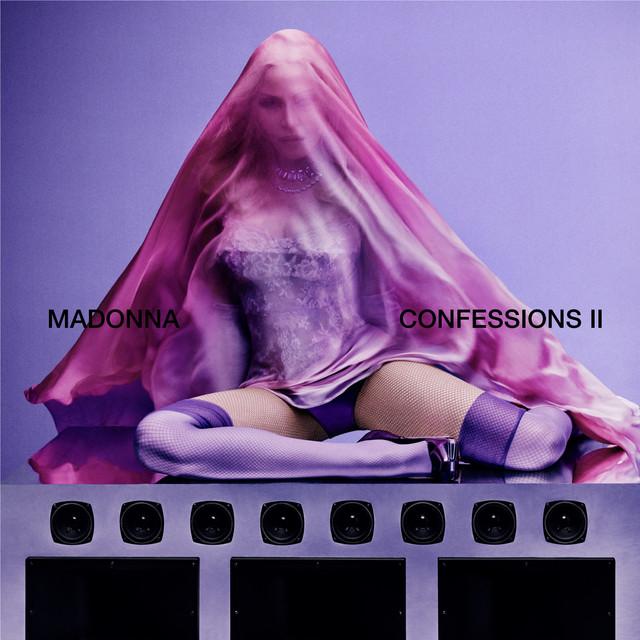
This was easily one of the albums I was most highly anticipating this year. You don't need to be a Madonna fan to recognise just how significant Confessions on a Dance Floor became after its release in 2005. More than twenty years later, Madonna revived her creative partnership with Stuart Price and did something she has rarely done throughout her career: deliberately returned to the world of an earlier album and gave it a sequel.
I've heard people question why Madonna would make Confessions II. After all, she has built much of her career around moving forward rather than repeating herself. But to me, the answer is actually quite simple. It's a disco and house-infused love letter to the dance floor.
Disco has always been people's music. At its best, the dance floor doesn't particularly care about your race, religion, gender or sexuality. People who might have very little else in common can come together peacefully and happily for a few hours because of music. Confessions II taps back into that idea, but rather than simply recreating the 2005 album, it takes us further on the journey.
One of the tracks that particularly caught my attention is "Danceteria". Madonna uses the song to look back at some of the people who surrounded her before she became famous, including her close friend Martin Burgoyne, DJ Mark Kamins, Debi Mazar, Keith Haring and others from that extraordinary early New York period.
There is something about the way she delivers those names that reminds me a little of "Vogue", but the context is very different. These aren't simply famous names being celebrated for their cultural importance. Many were people who were actually around Madonna when she was still trying to get noticed, before anybody knew where her career would take her. It makes the song feel less like Madonna looking back at pop history and more like Madonna looking back at her own history.
Another track that caught my attention is "Bring Your Love", her duet with Sabrina Carpenter. Bringing together Madonna and one of today's major pop artists could easily have felt like an attempt to simply bridge two generations, but it works naturally within the dance and house world of the album.
There is also a much more personal side to Confessions II. One of its most soulful moments addresses Madonna's relationship with her brother Christopher, who died in 2024. Their relationship had famously deteriorated after he published a tell-all book about his sister, but they eventually reconciled before his death. Hearing Madonna reflect on that relationship gives the album another dimension. Amid all the celebration, dancing and memories of the people who helped shape her life, there is also loss, forgiveness and the passing of time.
Perhaps that's why returning to Confessions doesn't feel to me like Madonna repeating herself. More than twenty years later, she's returning to the same dance floor with a very different life to confess.
But what I find most impressive about Confessions II is the album as a whole. Much like the original Confessions on a Dance Floor, it feels like a complete canvas, with each track flowing into the next and taking you somewhere as part of a continuous journey. In an age when we so often pull individual songs out of albums and drop them into playlists, this is one record I don't think should be carved up that way.
Start at the beginning, let one track become the next, and listen to Confessions II as the complete package it was designed to be.