

07 Oct 2026
12 October, 2026
Monday

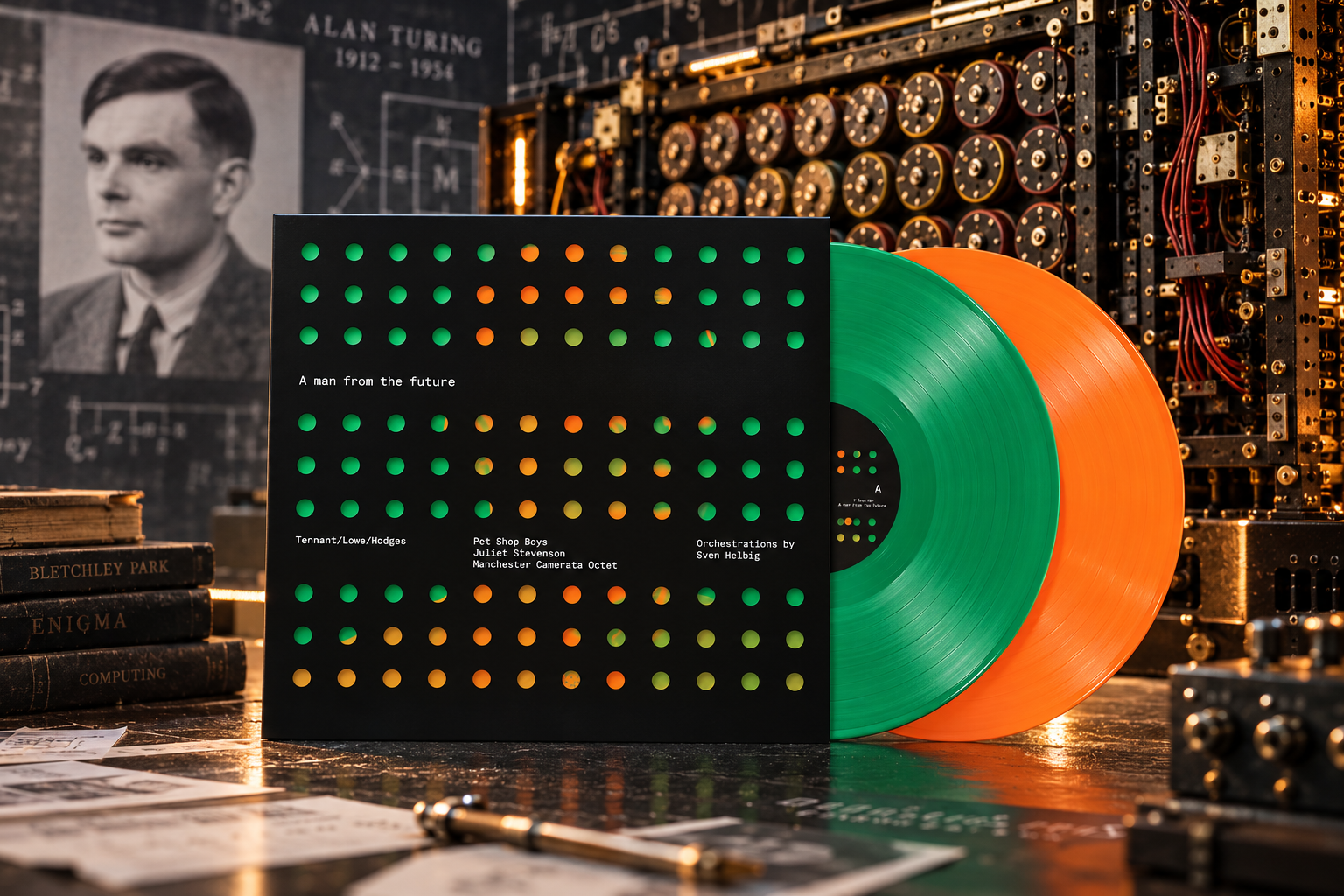

Pet Shop Boys' A Man from the Future is a haunting and emotional musical journey through the life of Alan Turing. Combining their unmistakable electronic sound with beautiful orchestral arrangements, Neil Tennant's distinctive vocals and Juliet Stevenson's narration, the album explores Turing's extraordinary achievements and the tragic injustice he suffered. It's a mysterious, moving and surprisingly relaxing work that deserves to be experienced as a complete album rather than a collection of individual tracks.
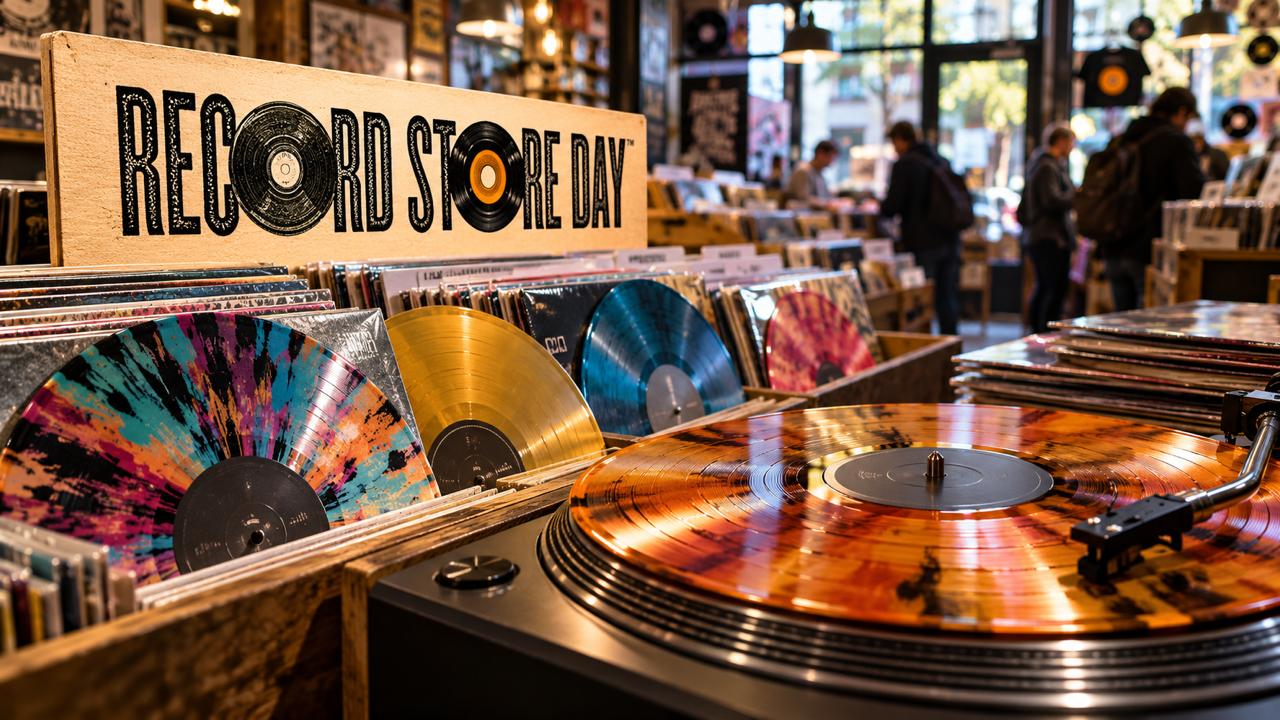
Why does Record Store Day still matter in the age of streaming? From obscure recordings pulled from the vaults to beautiful limited-edition vinyl, I explore the thrill of the hunt, the joy of owning physical music and why collectors still queue outside record stores for something special.
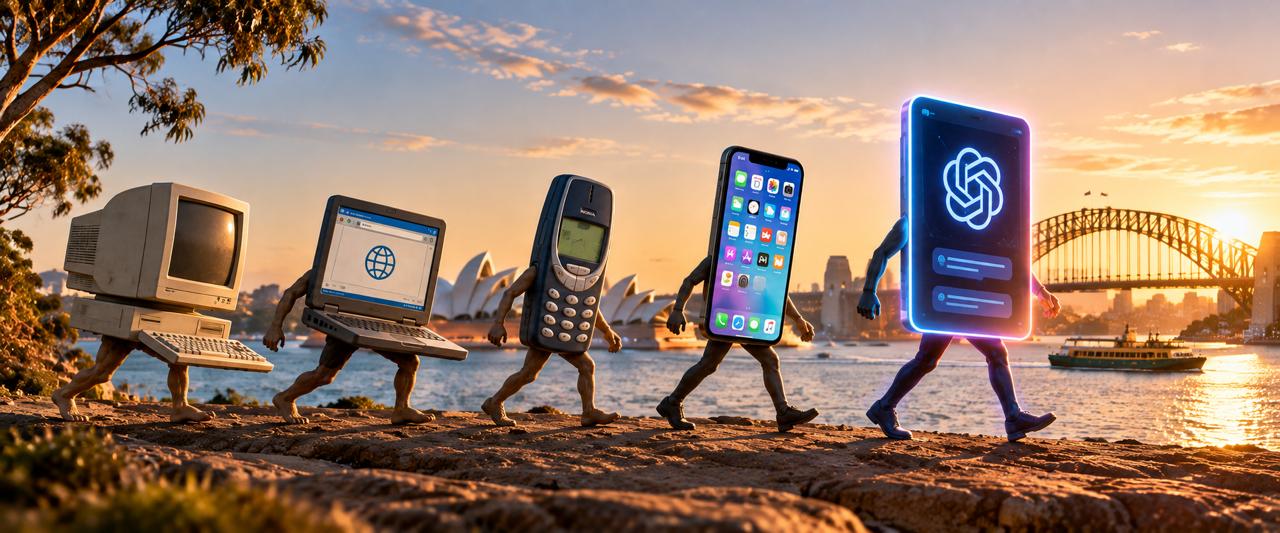
From personal computers and the internet to smartphones and now AI, we’ve seen this pattern before. New technology is easy to dismiss until the world starts moving without you. The lesson? You don’t have to be first, but it’s much easier to keep up than it is to catch up.
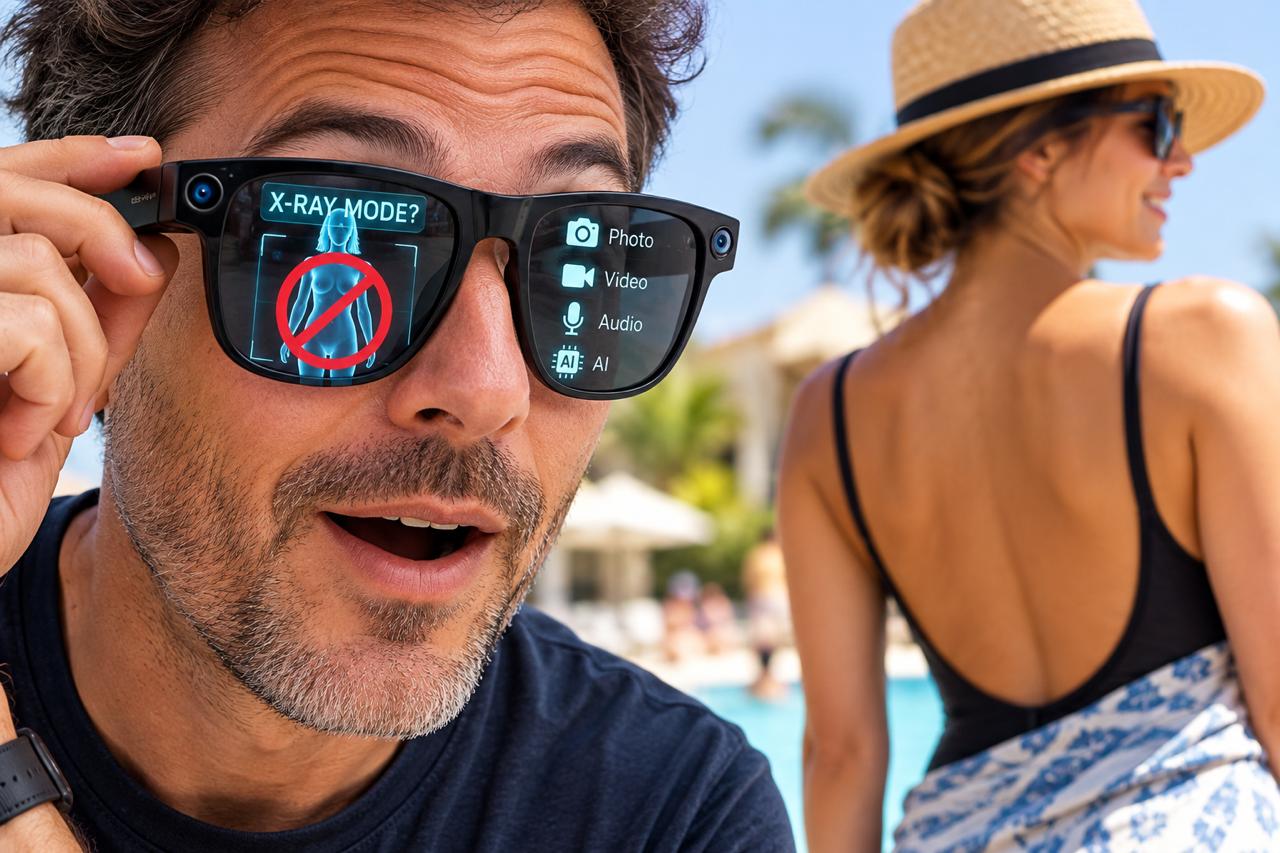
Smart glasses can take photos, record conversations, use AI and even analyse what you’re looking at. But can they really see you naked? We separate the myths from reality and look at the growing privacy concerns surrounding a technology that’s starting to look just like an ordinary pair of glasses.
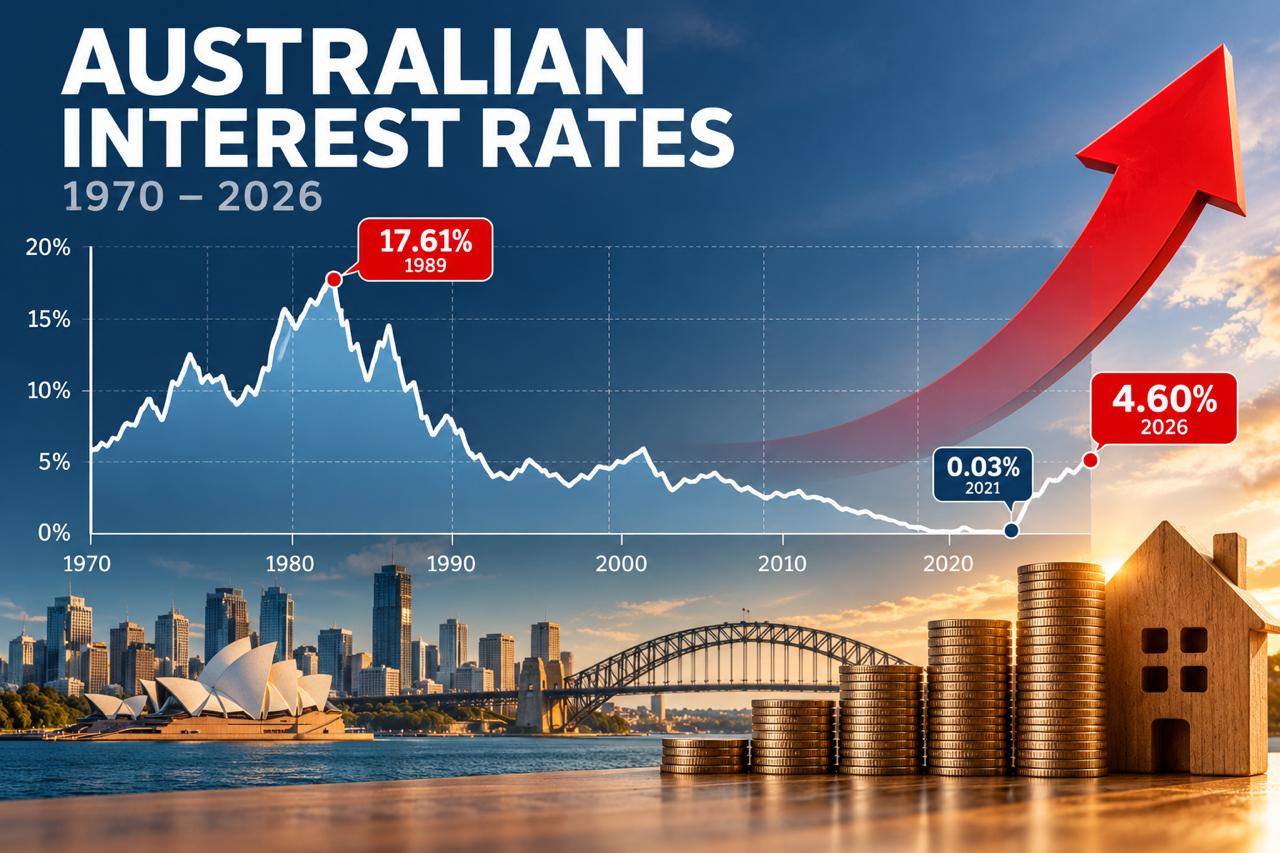
A conversation over coffee about Australia’s latest interest rate rise prompted a simple question: how high can rates actually go? Looking back at more than 50 years of Australian interest-rate history reveals just how dramatically our idea of a “normal” rate has changed.
From personal computers and the internet to smartphones and now AI, we’ve seen this pattern before. New technology is easy to dismiss until the world starts moving without you. The lesson? You don’t have to be first, but it’s much easier to keep up than it is to catch up.
Smart glasses can take photos, record conversations, use AI and even analyse what you’re looking at. But can they really see you naked? We separate the myths from reality and look at the growing privacy concerns surrounding a technology that’s starting to look just like an ordinary pair of glasses.
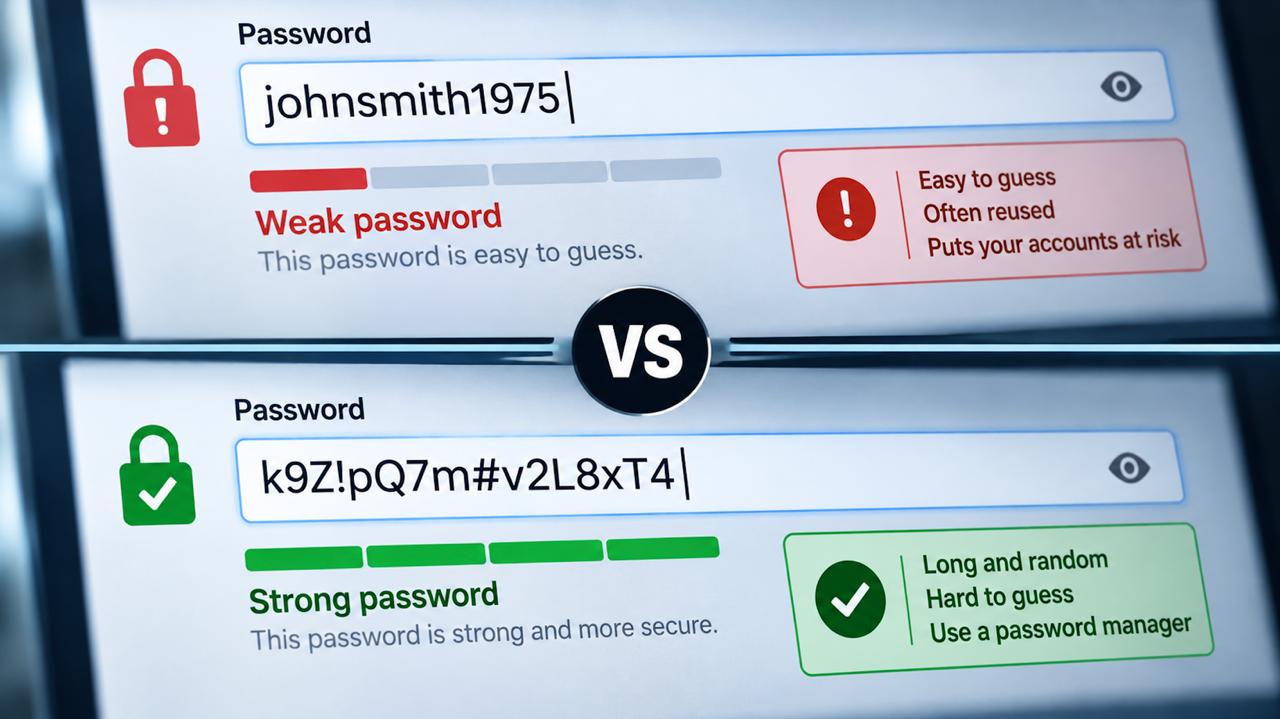
Reusing the same password across multiple websites can turn one small data breach into a much bigger security problem. This article explores why unique passwords matter, how password managers can protect your digital life, and the simple steps everyone should take to keep their online accounts secure.
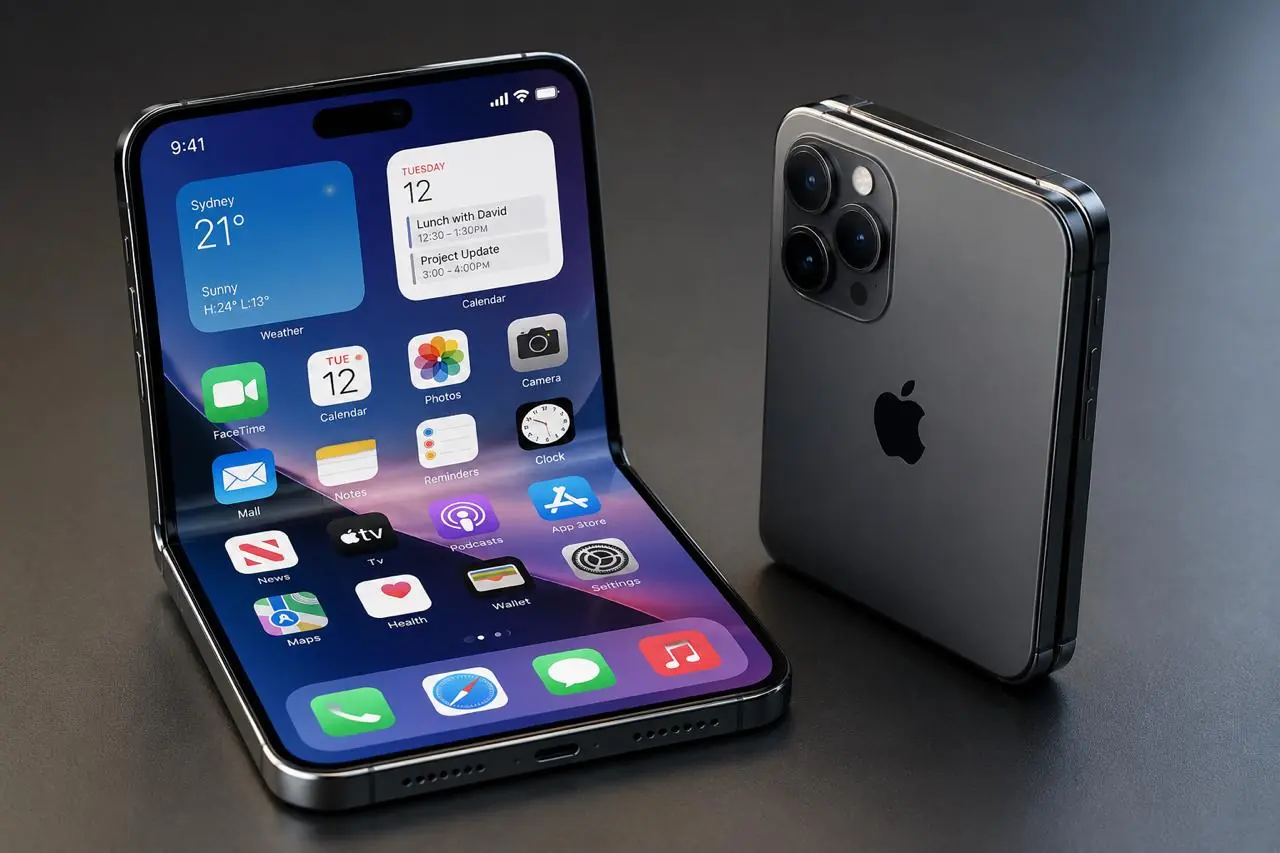
After nearly twenty years of smartphones, annual upgrades have become increasingly predictable. With Apple reportedly preparing its first foldable iPhone, this article asks whether a new form factor can make smartphones exciting again, or whether becoming boring is simply a sign of how successful and mature the technology has become.
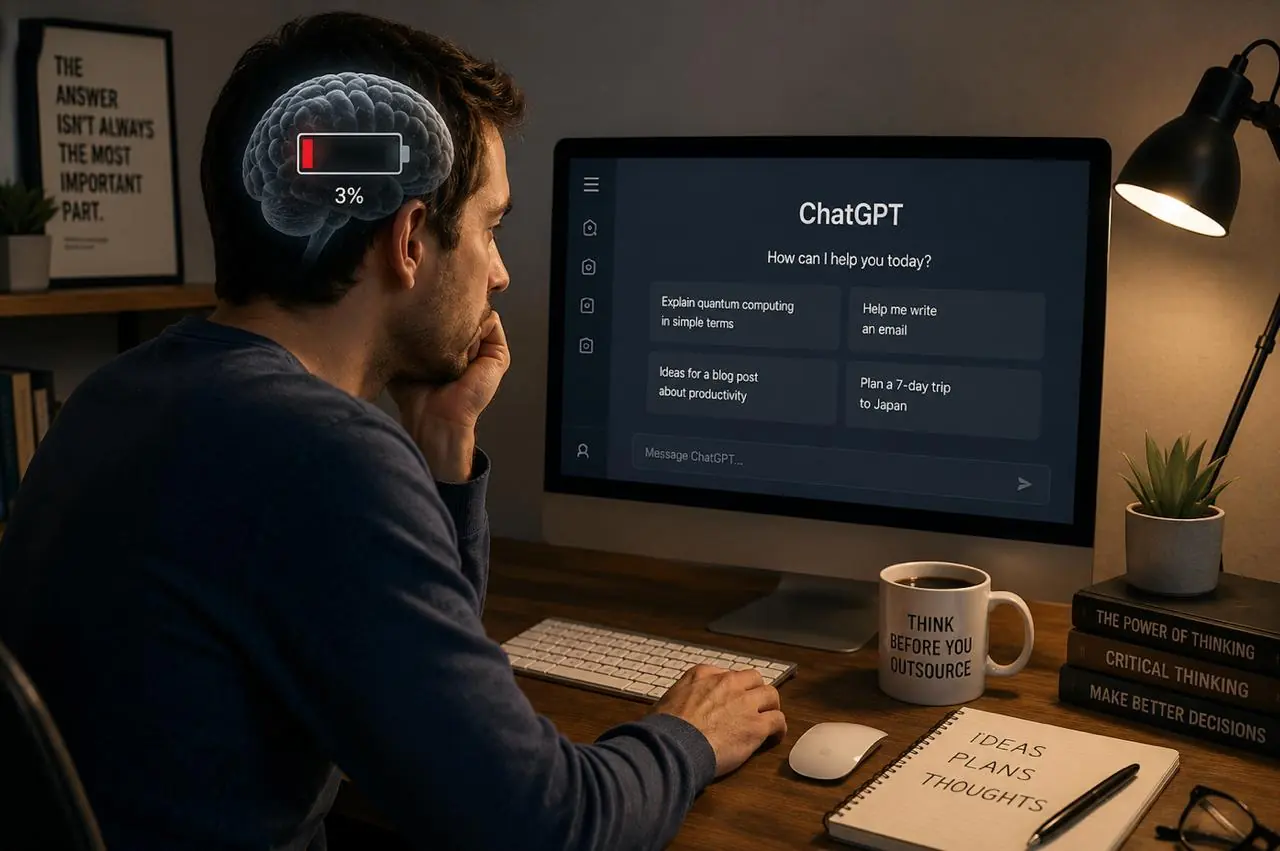
A hilarious comedy sketch about two people relying on AI to have a simple conversation raises a much more serious question. As artificial intelligence becomes part of everyday life, are we using it to help us think, or are we slowly allowing it to think for us?

What if the world's next gold mine isn't underground, but sitting in a forgotten drawer at home? This article explores the hidden value of electronic waste through a personal experience that changed the way I think about obsolete technology.
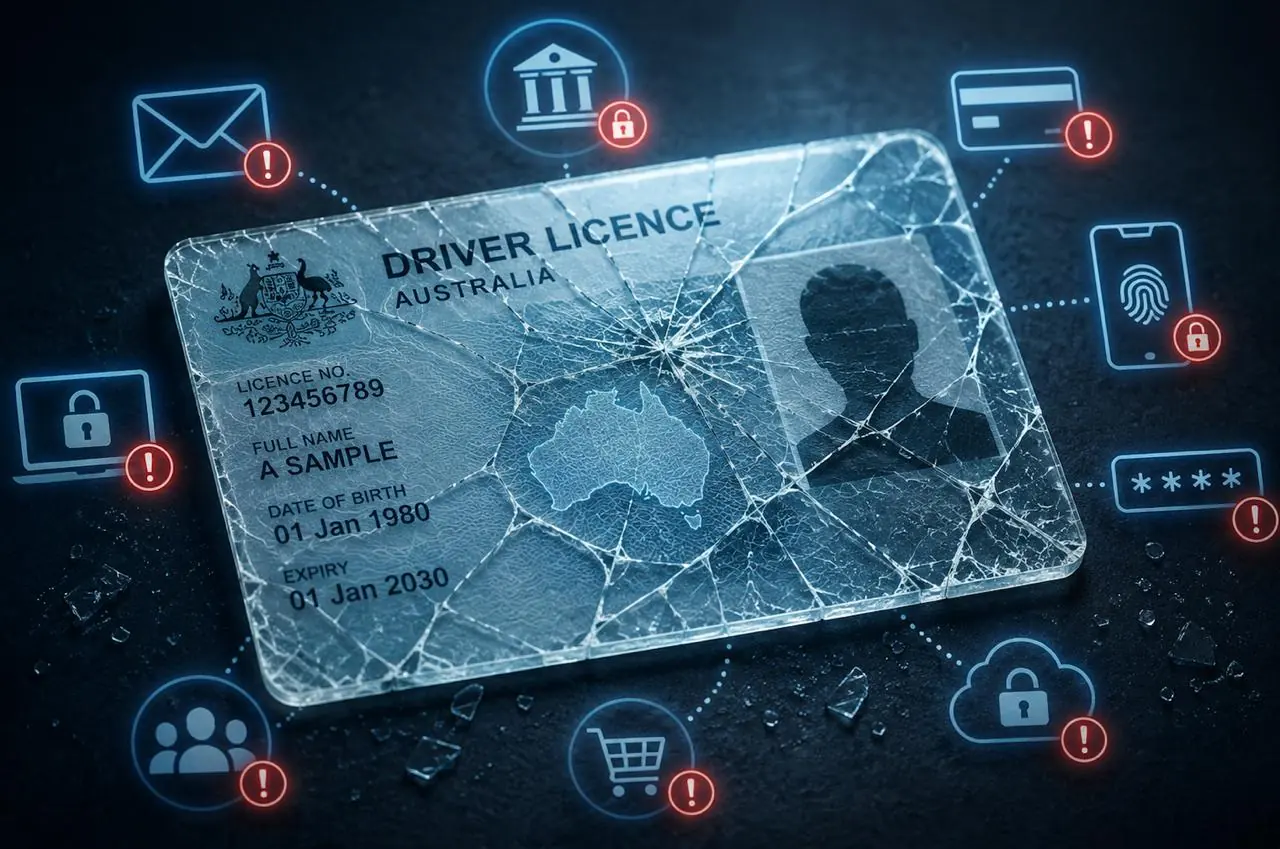
Data breaches have become an unfortunate reality of modern life, affecting organisations of every size and industry. While we can't always prevent them, we can take practical steps to better protect our digital identity and reduce the risk of becoming a victim of identity theft.

Is Artificial Intelligence really different from the computer revolution that began decades ago? Looking back at the rise of personal computers, stock market automation and digital music, I explore why today's AI debate feels surprisingly familiar—and why one timeless computing principle still applies: garbage in, garbage out.
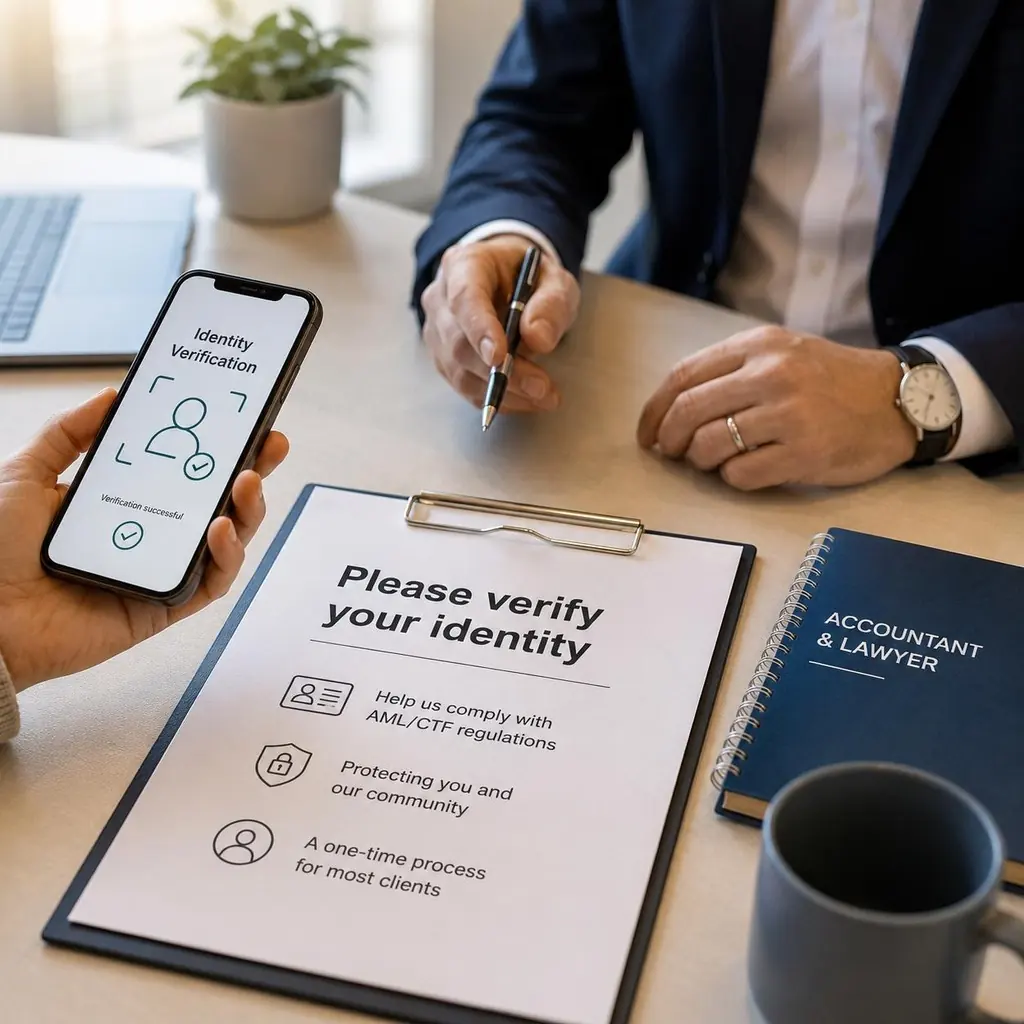
Why is your accountant suddenly asking for your driver's licence or passport? Australia's new AML/KYC reforms are extending identity verification requirements to accountants, lawyers and other professionals, bringing them into line with practices that have existed in the financial sector for years.
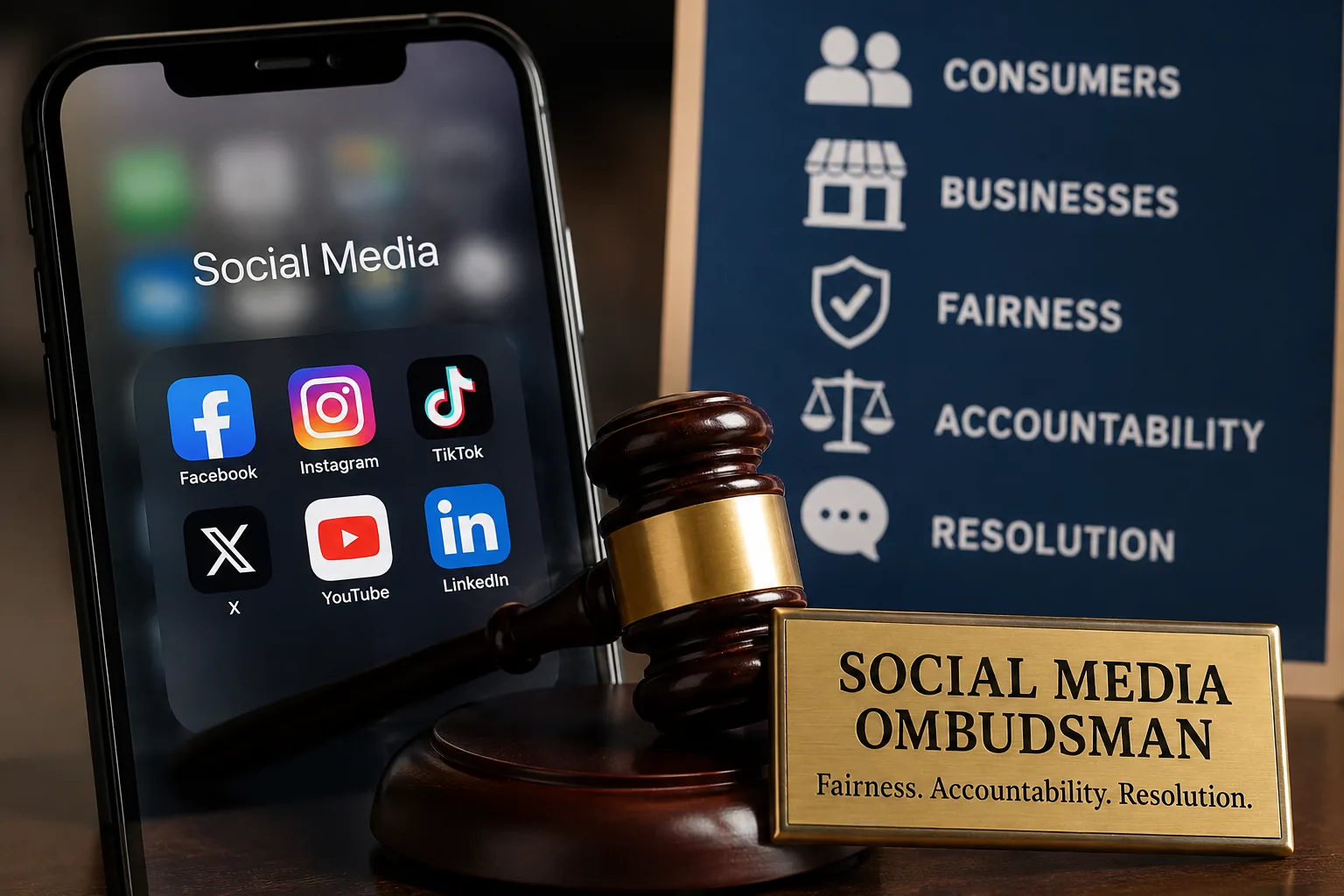
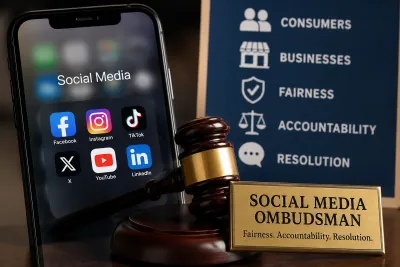
We have ombudsmen for telecommunications, banking and financial services. As social media platforms become increasingly important to our businesses and daily lives, should Australia establish an independent ombudsman to help resolve disputes with Big Tech?
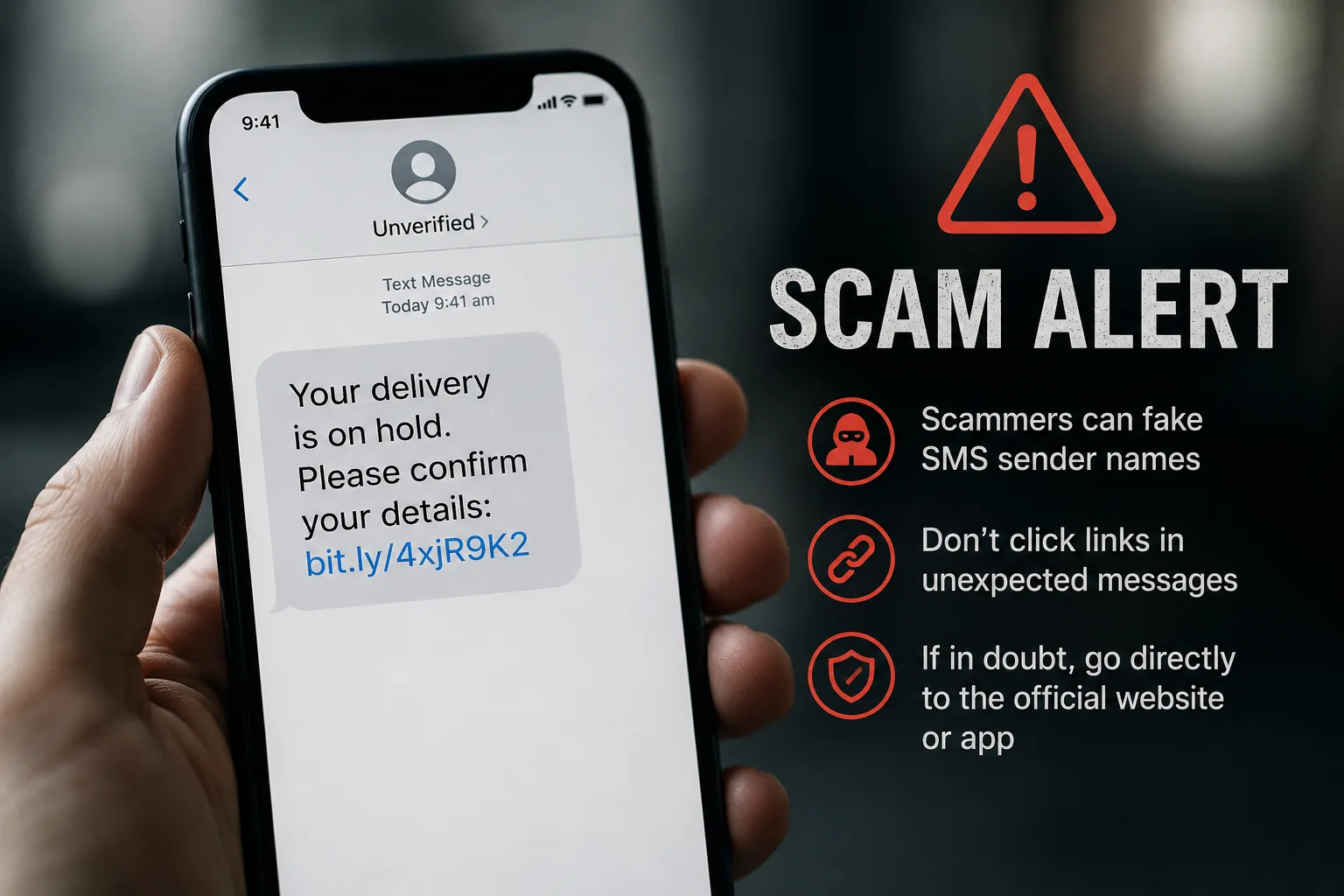
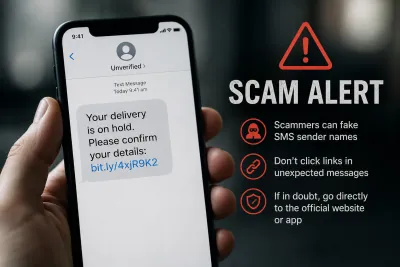
Having worked across telecommunications and fintech for many years, I welcome ACMA's new SMS Sender ID Register. However, I believe the reforms are years overdue and fall well short of what is needed to properly protect Australian consumers from SMS scams.

If you are facing mysterious, repeated rejections online, don't give up. The system is flawed, but with the right vocabulary and a little persistence, you can break through the automated wall and claim your financial access back.